Ingredients
What an ingredient is used for, what changes with concentration and formulation, and where the evidence remains conditional.
26
-
Patent Picks: What "Modified Collagen," Cyclodextrin UV Screens, and Fatty Acid Actives Actually Mean by Dose and Formulation
A new Cosmetics & Toiletries patent digest names modified collagen, cyclodextrin UV/IR protection, and fatty acid anti-inflammatories. Filed IP is not a finished product, and each term covers very different chemistry depending on source and concentration.
-
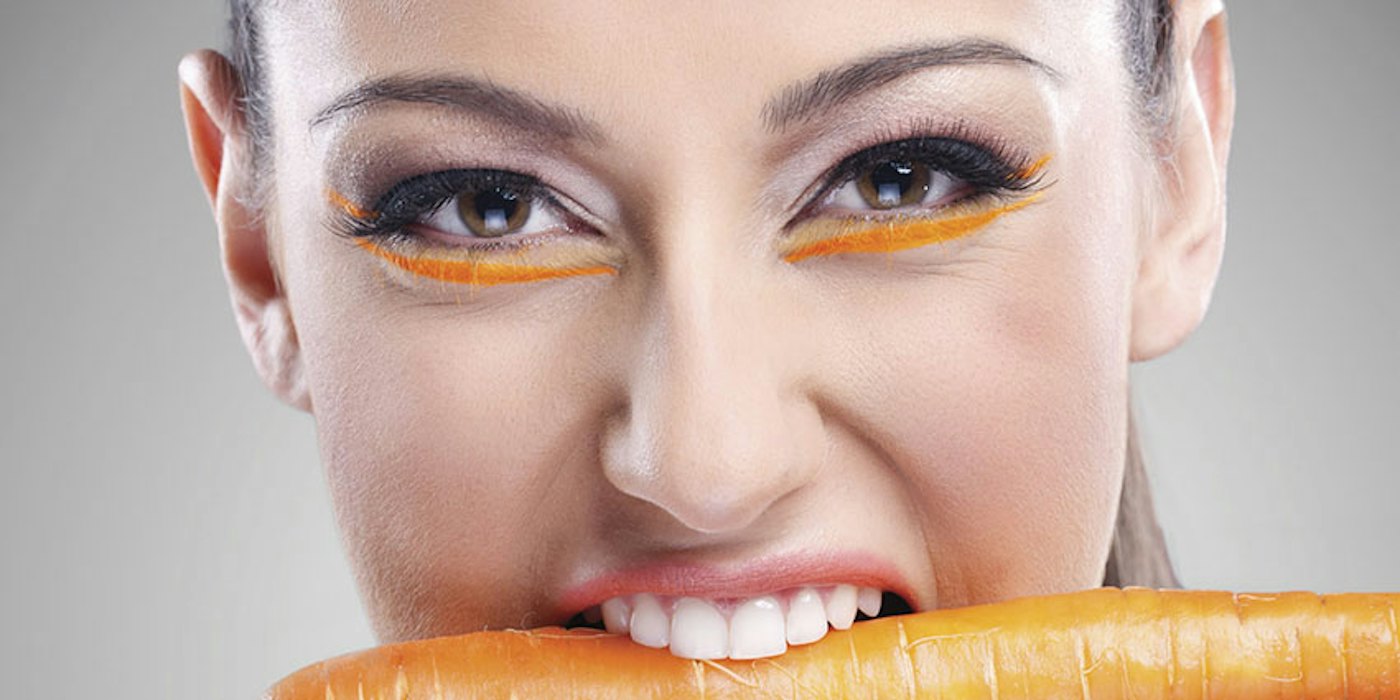
Carotenoids: In Skin's Defense, With Conditions
Carotenoids like beta-carotene, lycopene and astaxanthin quench UV-generated free radicals, but their protection depends heavily on stable concentration, encapsulation and antioxidant pairing.
-
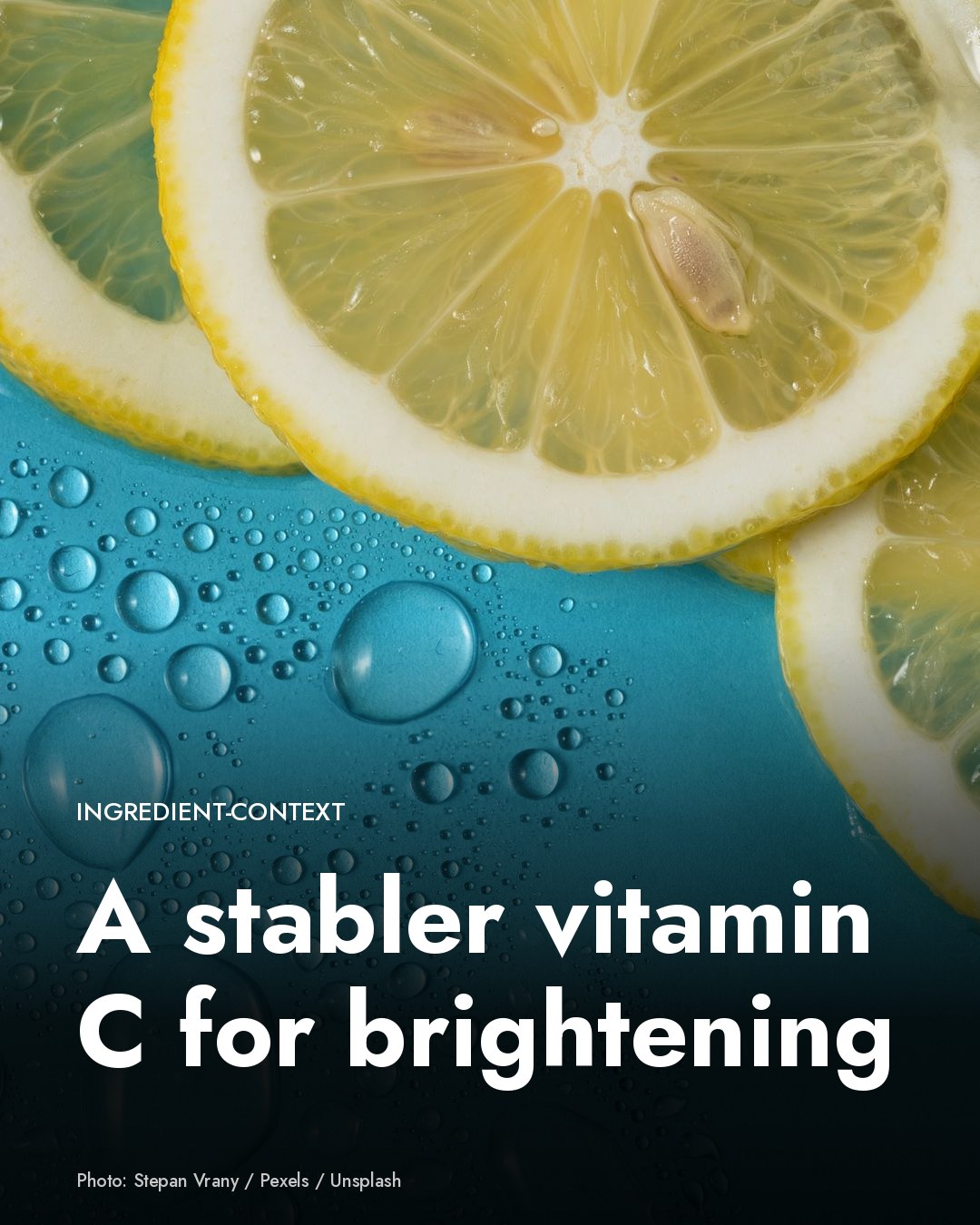
Ascorbyl Lactoside Aims to Fix Vitamin C's Stability Problem in Skin Brighteners
A new sugar-linked ascorbic acid derivative promises tyrosinase inhibition without the oxidation woes that plague plain vitamin C in formulas.
-
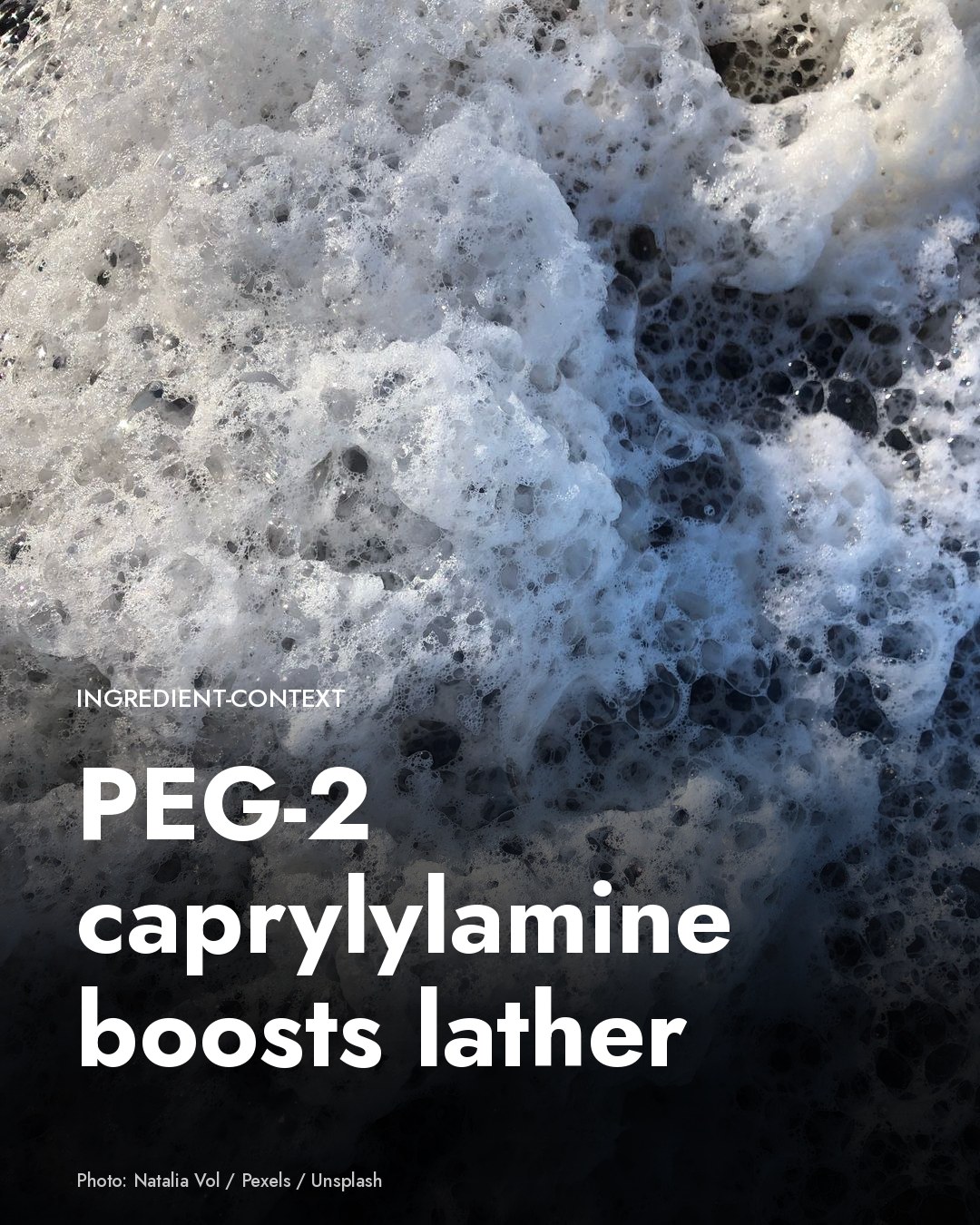
PEG-2 Caprylylamine: A New Adjuvant Surfactant to Boost Lather Rate
A small dose of PEG-2 caprylylamine speeds up how fast cleansers foam, according to formulator testing described in Cosmetics & Toiletries.
-
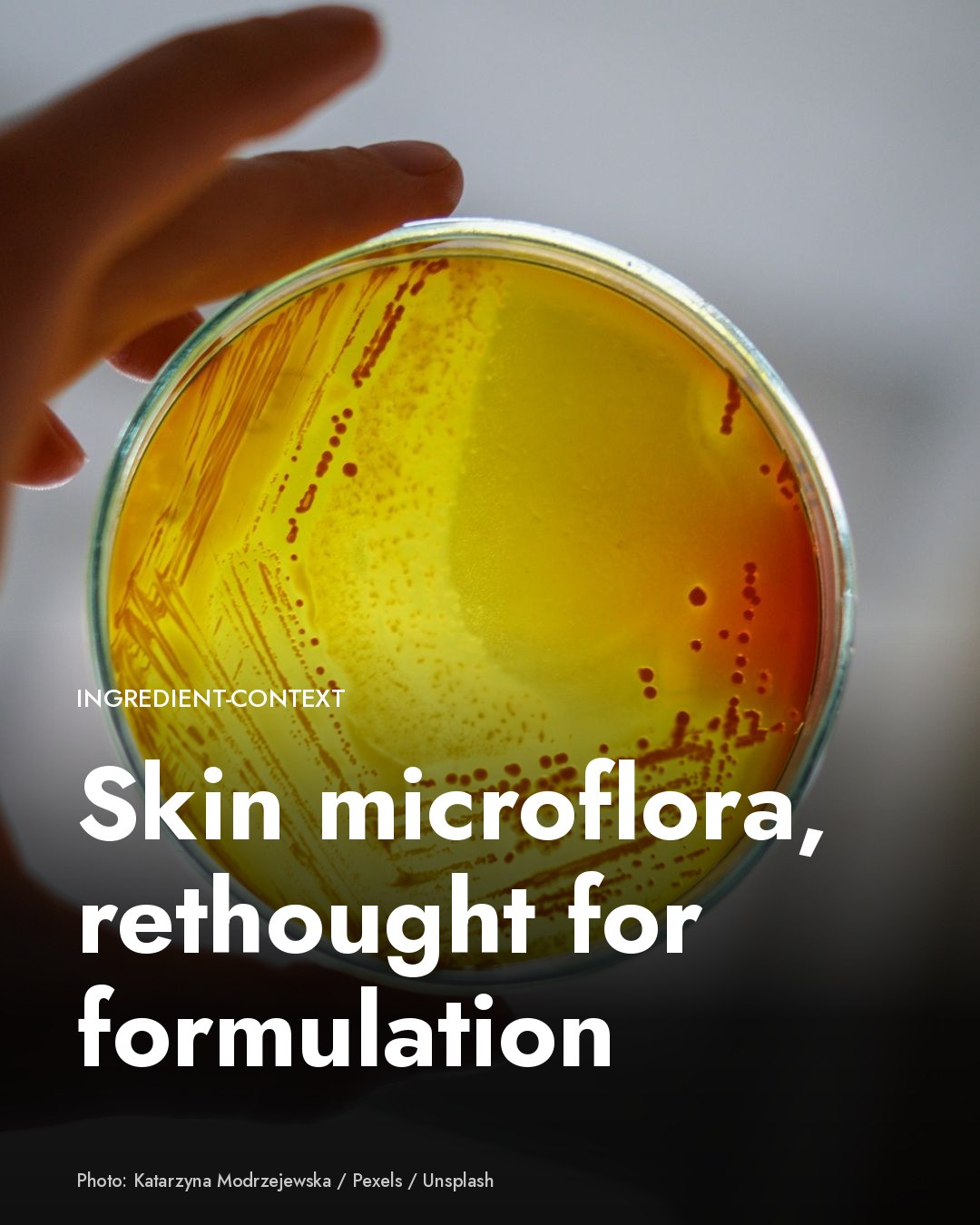
Culture Shift: Rethinking Skin's Commensal Microflora in Cosmetic Formulation
Preserving a product and preserving a live microbiome are opposite goals, which is why "microbiome-friendly" skincare has quietly become a postbiotic story instead of a probiotic one.
-
Glycerin Hydrates Skin Reliably. Repairing the Barrier Is a Different Claim.
Glycerin hydrates skin through a specific channel, aquaporin-3, but concentration and formulation decide whether it also repairs the barrier or just holds water.
-
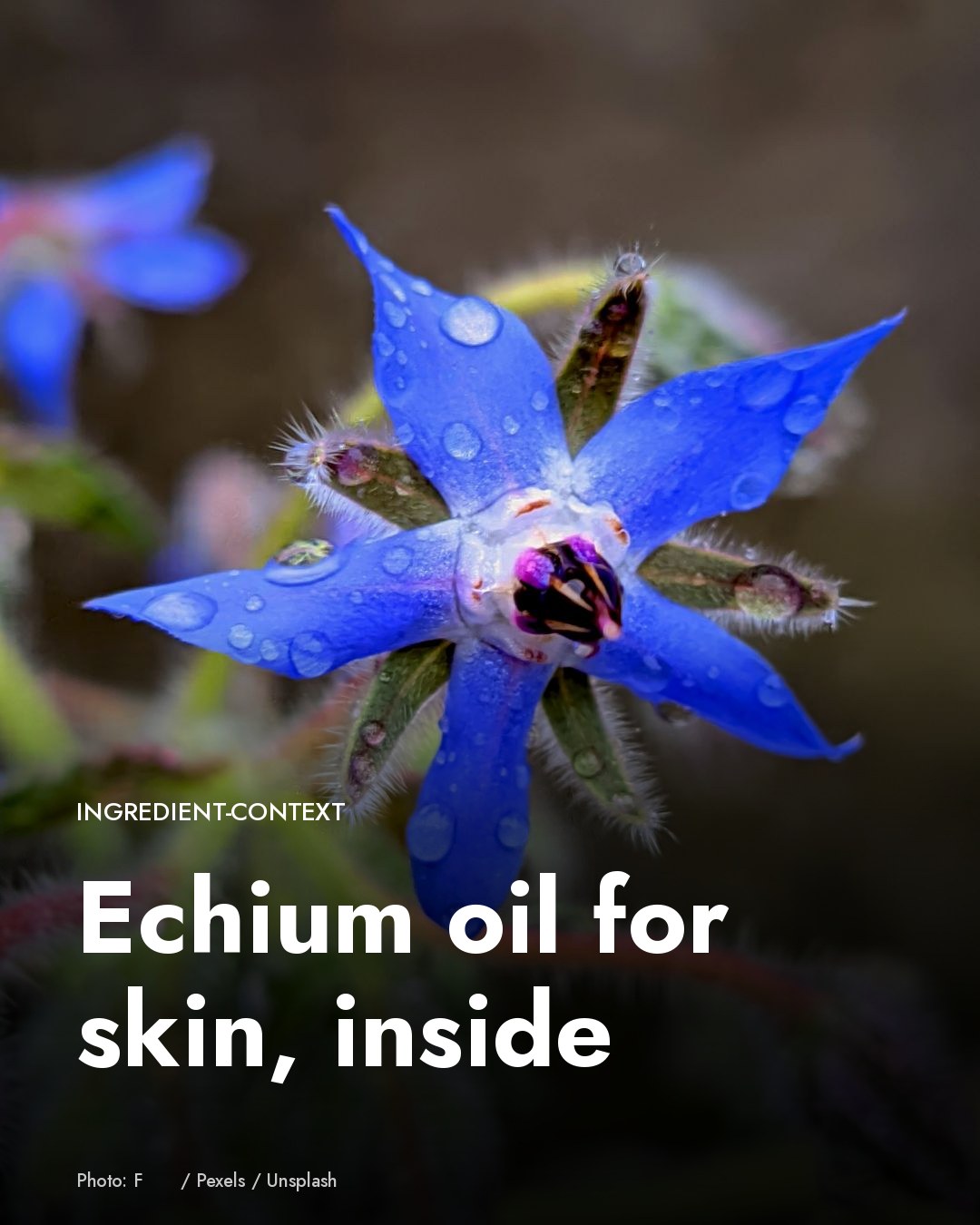
Oral and Topical Echium Oil for Skin Benefits
Echium seed oil's stearidonic acid gives it an unusual edge for omega-3 delivery and anti-inflammatory skin effects, in both diet and formulation.
-
Chitin Nanofibrils Promise Dual-Action Delivery, But the Evidence Trail Runs Through One Lab
Chitin nanofibrils bind water and both oil- and water-soluble actives at once, but most human efficacy data trace to one company's patented formulation, and EU nanomaterial rules add a six-month notification hurdle.
-
What the Evidence Actually Shows About 1,3-Propanediol and Skin
1,3-propanediol's safety record rests on CIR-reviewed patch testing at typical use concentrations, not a single definitive study, leaving comedogenicity and rare sensitization questions less settled than its marketing suggests.
-
The Sunscreen Aging Claim Runs Ahead of What SPF Actually Measures
SPF measures sunburn protection, not the UVA-driven collagen damage that ages skin, and bemotrizinol's 2026 U.S. approval exposes how far formulation has had to compensate for that gap.
-

Deriving Renewable Squalane from Sugarcane
A 2014 Amyris paper on fermenting sugarcane into squalane still circulates as if it were news, but the ingredient it describes now moves through a fractured supply chain of Amyris, Aprinnova, Nikkol Group and Givaudan.
-
The Lipid-Carotene Carrier Claiming to Double Sunscreen's Radical-Scavenging Power
A 2015 trade report on a "smart" phospholipid-carotene delivery system claims it doubles a sunscreen's free-radical-scavenging power, but which of two nearly identical branded carriers it actually describes changes how much of that claim holds up.
-
Why "Natural" Preservation Still Comes Down to Concentration and Combination
Natural preservatives like radish root ferment filtrate can pass microbial challenge tests, but usually only at higher doses and stacked with other hurdles like acids and low water activity.
-

The Rise of Miniproteins for Dermocosmetics
Miniproteins, folded 1-5 kDa scaffolds engineered to mimic growth factors like TGF-β, are landing in serums faster than regulators can build safety frameworks for them.
-

Why TCM Herbal Blends Are Turning Up in Antiaging Formulas
TCM antiaging blends layer astragalus, ginseng, reishi, goji and he shou wu for complementary effects, but most supporting evidence is cell-culture data on isolated compounds, not the diluted, multi-herb finished formula.
-
Skinome's Second Study Ties Water-Free Retinal to Fewer Blemishes
A split-face clinical trial on Skinome's anhydrous 0.1% retinal and 10% azelaic acid concentrate found measurable drops in pores and redness after eight weeks, extending the Swedish brand's stability-focused retinal platform from anti-aging into acne-prone skin.
-
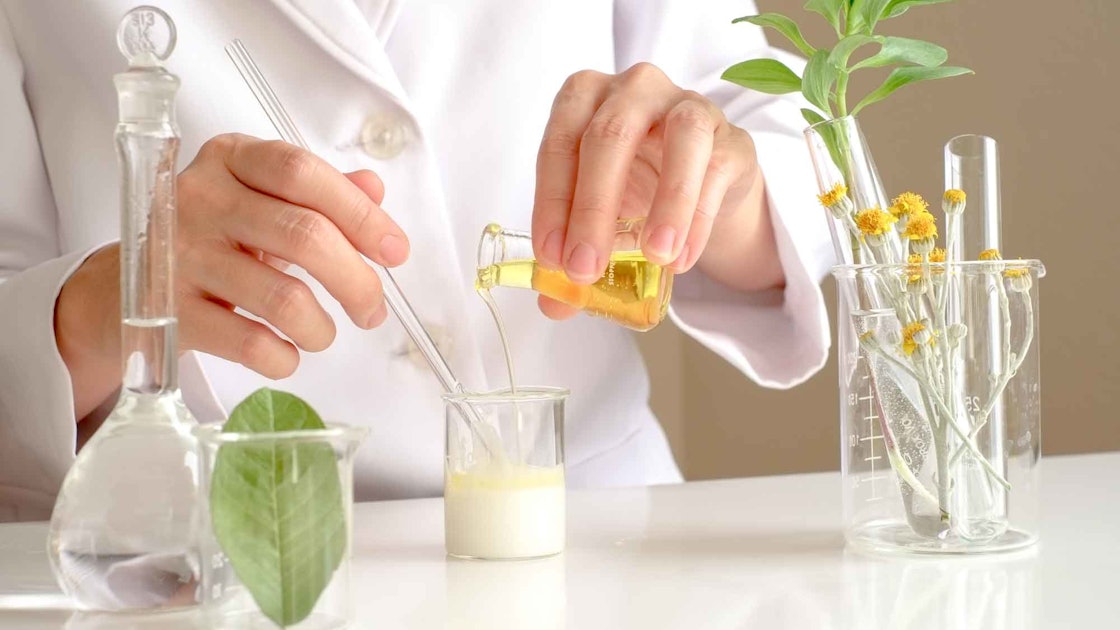
The Preservative Quagmire Has a Deadline: July 2026
EU's new formaldehyde-releaser warning label takes effect July 15, 2026, tightening the trigger threshold 50-fold and forcing a compliance scramble even as safer ingredients like parabens keep losing the PR war.
-

Brewing Up Biotech: Tea Catechins and Their Anti-Aging Impact
EGCG is tea's most potent anti-aging catechin and its most unstable one, and biotech fermentation and encapsulation are emerging as the fix.
-

In Chicago, 'Korean Beauty Store' Means Two Different Things
Guides to Chicago's Korean beauty store scene point shoppers toward skincare boutiques, but the phrase also covers a much older, larger network: Korean-owned beauty supply stores built on the 1970s wig and hair-extension trade and sustained almost entirely by Black customers. Chicago's own business records show how little the two overlap.
-

A Familiar Bacterium Beats Kao's Preservation System Again
Kao USA's recall of Oribe Serene Scalp Densifying Shampoo for Pluralibacter gergoviae is the second time in four years the same bacterium has beaten the company's preservation system, part of a wider pattern that also caught Kenvue and Tesco within the past year.
-
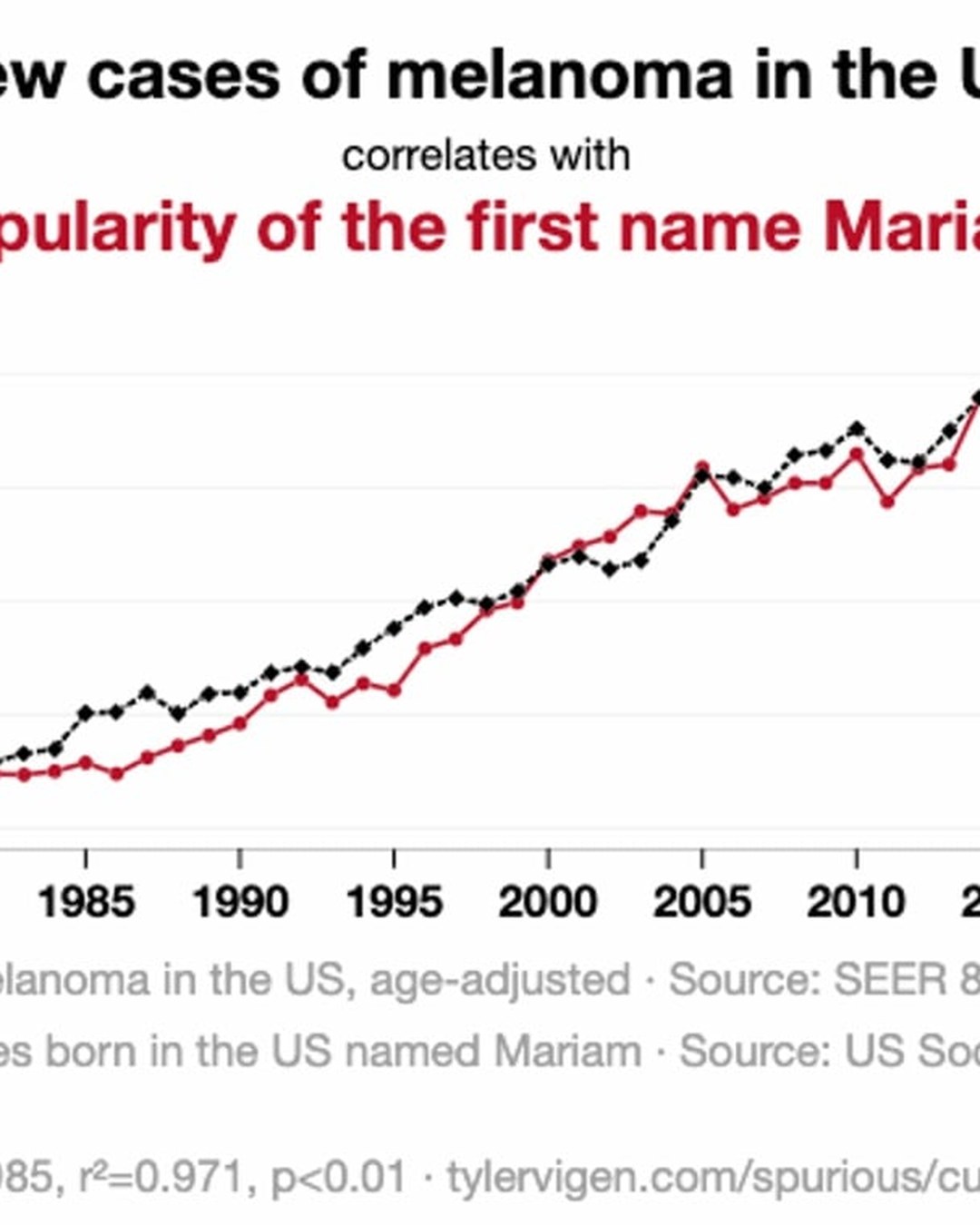
Korea's Melanoma Rise Traces to a Biopsy Tool, Not the Sun
South Korea's melanoma incidence is climbing faster than almost any country on record, but the country's own registry researchers trace most of that rise to wider biopsy use and screening, not sun exposure, and most Korean cases turn up on skin the sun barely touches.
-

JD.com's Korea Buying Desk Is Now Permanent
JD Group's August 12 briefing with KOTRA produced just nine signed contracts worth 1.5 million dollars, but the change that matters happened earlier this year, when the Chinese platform swapped occasional matchmaking events for a standing legal buying office in Korea.
-

Solabia's New Lab Used to Share a Parent With Dr.G
Solabia's newly completed purchase of Mibelle Biochemistry, the Swiss lab behind the original apple stem cell active, is the second sale in sixteen months to break up a Swiss group that also once owned Dr.G, the Korean dermocosmetic brand L'Oréal acquired in a separate deal.
-
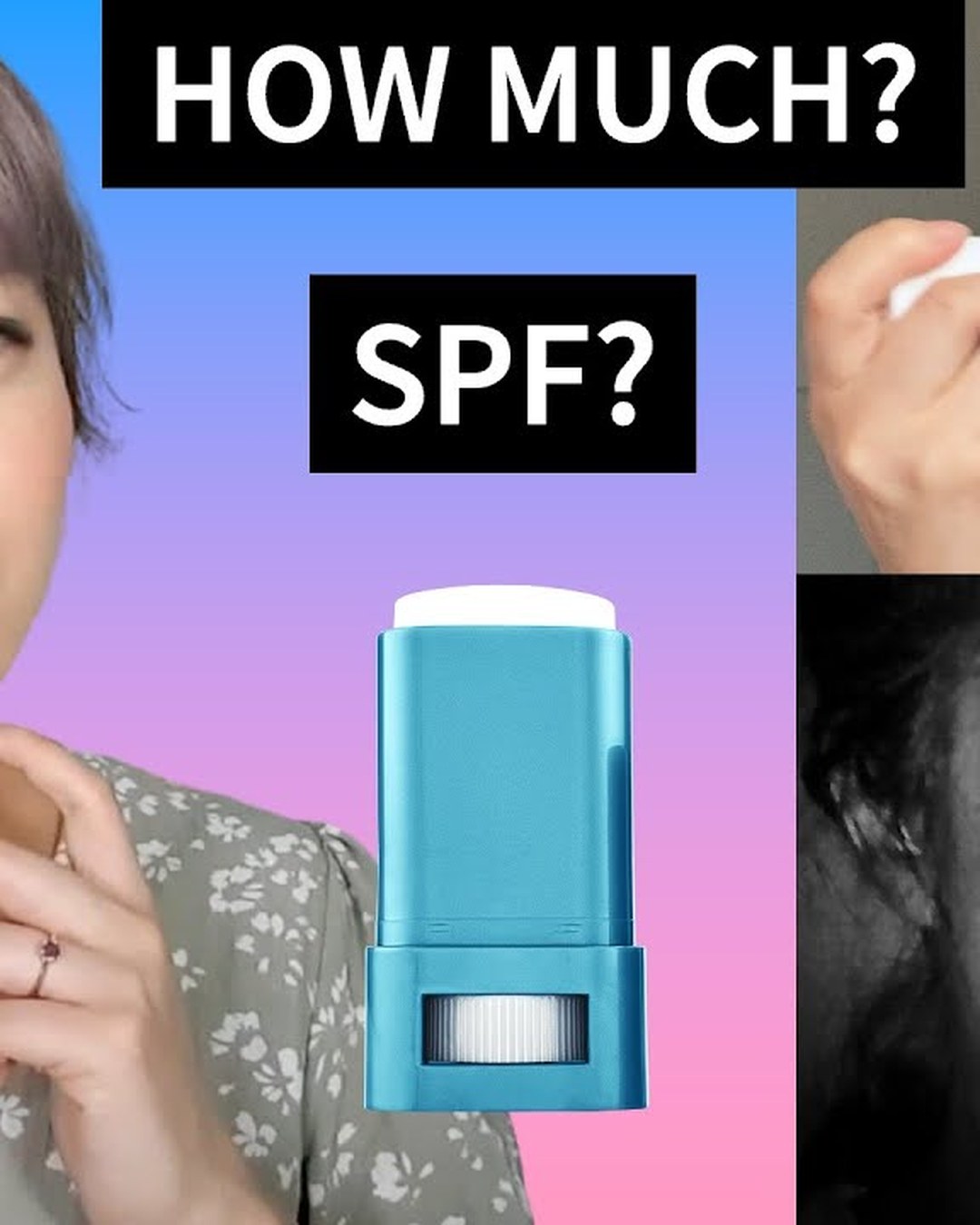
The Sunscreen Blind Spot Predates the Stick
The center-of-nose and under-brow gaps a UV camera found on sunscreen sticks sit in the same eye-and-nose-bridge zone a 2017 peer-reviewed UV-photography study already found missed with cream and spray, at rates the format did not change.
-
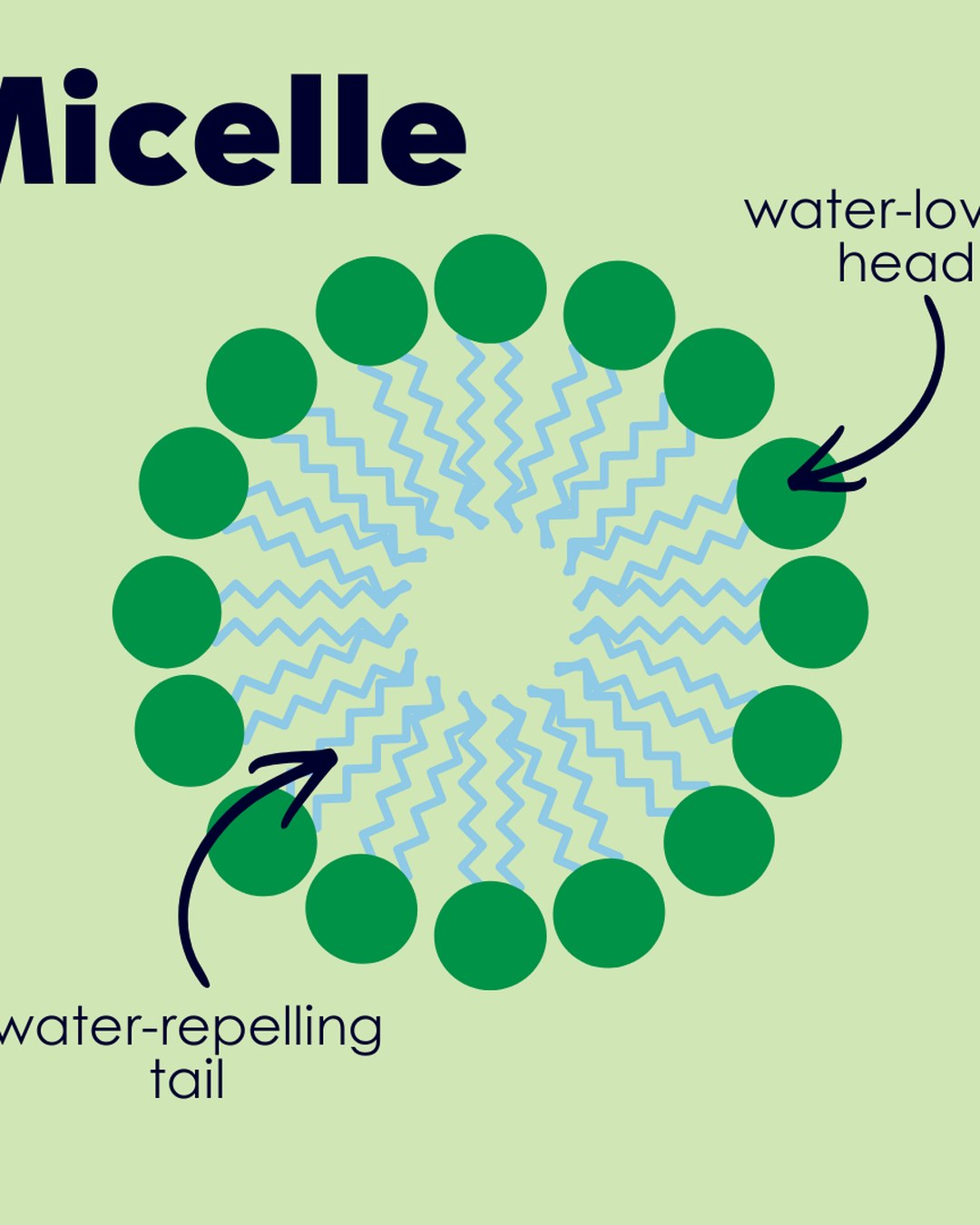
An INCI Name Cannot Reproduce This Micellar Water
The formula's 5% sodium cocoyl glutamate can mean about 1.2% active surfactant when its suggested liquid grade is used. A glucoside substituted at the same weight can more than double that active load, showing why an INCI name is not a complete raw-material specification.
-
Body Lotion's Retinol Limit Is About Surface Area, Not Strength
A new EU rule caps retinol in body lotion at a sixth of the concentration allowed in face cream, and the regulator's own exposure math shows why: spread over more skin, the diluted version still lands close to the same absorbed dose.