Explainer
Why TCM Herbal Blends Are Turning Up in Antiaging Formulas
TCM antiaging blends layer astragalus, ginseng, reishi, goji and he shou wu for complementary effects, but most supporting evidence is cell-culture data on isolated compounds, not the diluted, multi-herb finished formula.
Published · Updated
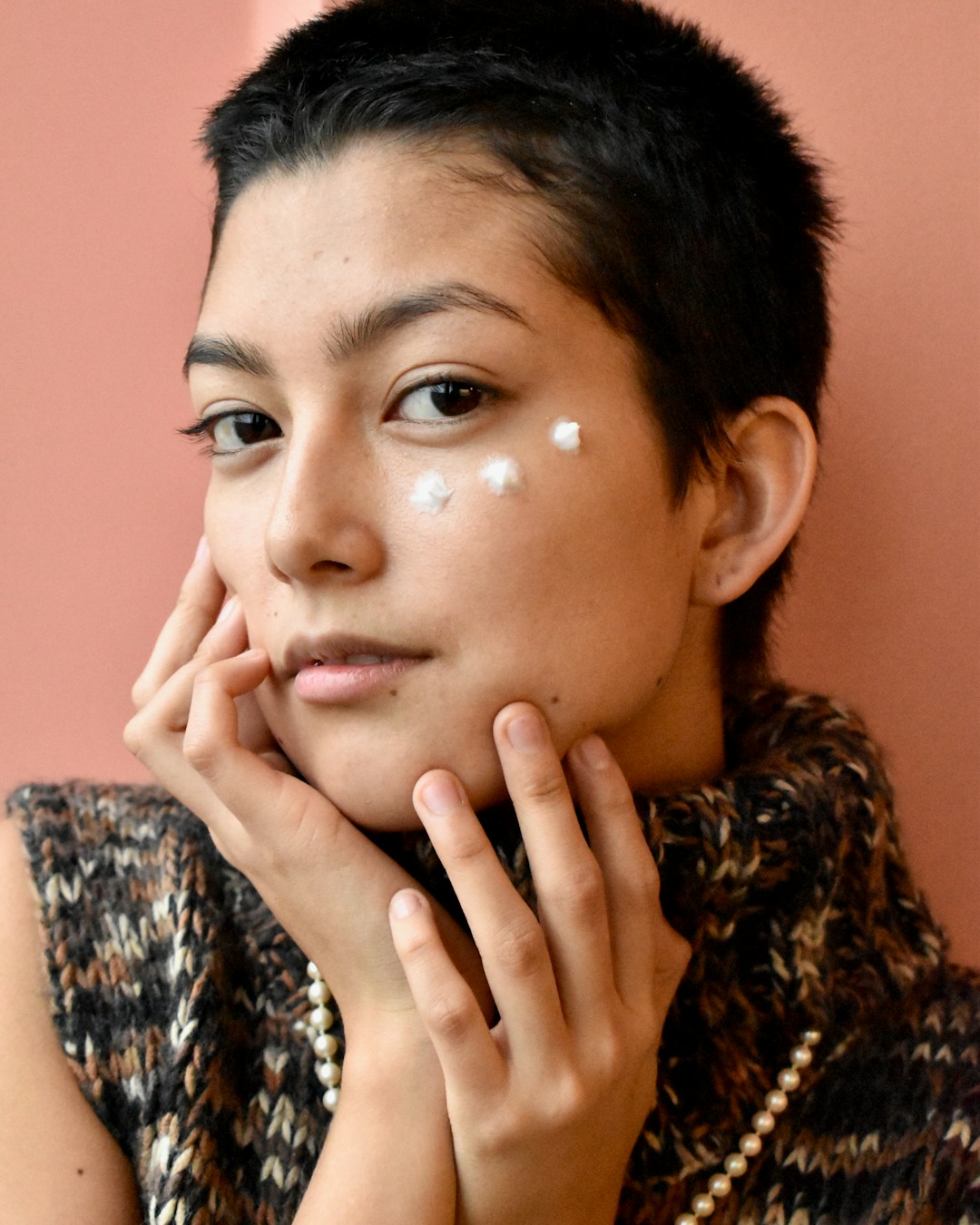
Traditional Chinese Medicine has spent centuries pairing herbs into formulas rather than dosing single plants, and that same logic is now showing up on ingredient decks in the antiaging aisle. Instead of a single extract carrying a whole formulation, brands are blending several TCM botanicals so their compounds act on different parts of the skin aging process at once: some slow oxidative damage, some support the extracellular matrix, some soothe visible inflammation.
Astragalus membranaceus is a common anchor. Its polysaccharides and astragaloside IV have been studied for stimulating fibroblast activity and telomerase-related pathways in cultured skin cells, the kind of mechanism formulators point to when they market a product as working on skin at the cellular level rather than just the surface. The catch is concentration: most of that evidence comes from cell-culture work using purified astragaloside IV at defined doses, not from the crude root extract at whatever percentage ends up in a finished cream. Potency drops fast once an extract is diluted into a base and diluted further by extraction method and standardization.
Panax ginseng contributes ginsenosides, a family of saponins with decades of pharmacological research behind them, mostly for oral and systemic use rather than topical antiaging. Ginsenoside Rb1 and Rg1 show antioxidant and anti-inflammatory activity in lab models, which is the basis for including ginseng root extract in serums and creams marketed against fine lines. Translating an oral pharmacology finding to a topical claim requires the compound to actually penetrate the stratum corneum at a meaningful concentration, something brand literature rarely spells out and independent dermal-penetration data on ginsenosides in finished formulas remains thin.
Ganoderma lucidum, reishi mushroom, shows up for its beta-glucans and triterpenes, prized in TCM for calming and moisturizing effects. Its polysaccharides are large molecules, so in skincare they mostly act as film-formers and humectants on the skin surface rather than penetrating to influence collagen synthesis directly. That is not a knock against the ingredient. Surface hydration and barrier support are legitimate antiaging mechanisms, since a compromised barrier accelerates the appearance of fine lines and dullness. The distinction matters for how a brand should message the ingredient: as barrier care, not as a deep-acting collagen stimulator.
Lycium barbarum, goji berry, and Polygonum multiflorum, known as he shou wu or fo-ti, round out many of these blends for their carotenoid and stilbene content, both associated with free-radical scavenging in vitro. He shou wu carries a caveat worth flagging for formulators sourcing raw material: unprocessed root has been linked to rare cases of liver toxicity when consumed orally in concentrated form, a reminder that a plant's internal-medicine safety profile and its topical safety profile are governed by different exposure routes and require separate evaluation, even when the ingredient is prized in TCM for a completely different purpose.
What ties these ingredients together in a blend is less about any single compound and more about combinatorial theory, the TCM principle that a formula works through synergy among its components rather than one dominant active. Western in vitro pharmacology can validate individual mechanisms, antioxidant capacity here, fibroblast stimulation there, but synergy across a multi-herb blend is much harder to test and rarely gets isolated in a clinical trial. Most of the antiaging evidence available to formulators sits at the level of individual extracts in cell culture, leaving the finished blend's real-world performance on skin as the piece still to be demonstrated.