Review
Skinome's Second Study Ties Water-Free Retinal to Fewer Blemishes
A split-face clinical trial on Skinome's anhydrous 0.1% retinal and 10% azelaic acid concentrate found measurable drops in pores and redness after eight weeks, extending the Swedish brand's stability-focused retinal platform from anti-aging into acne-prone skin.
Published · Updated
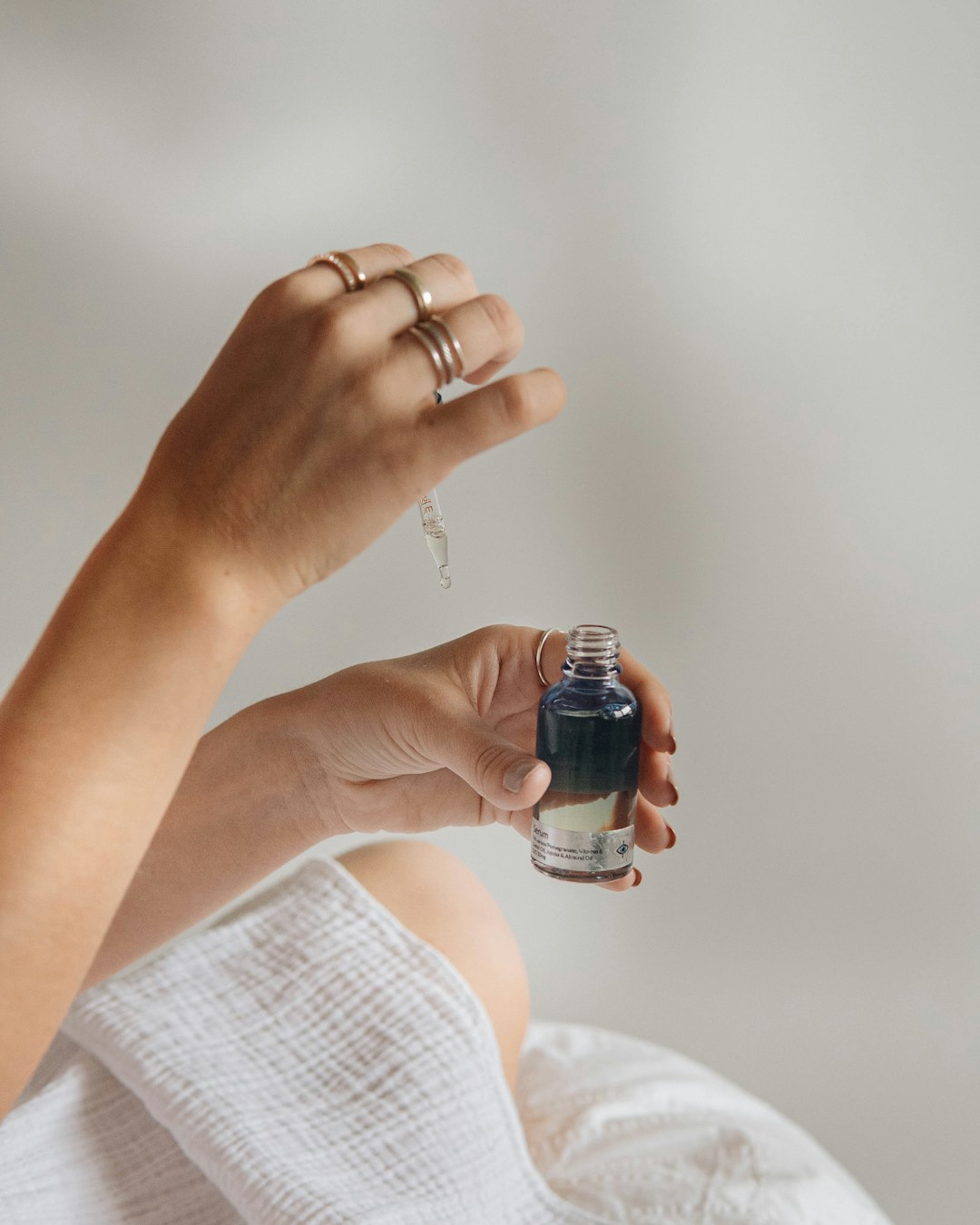
Skinome, a Stockholm skincare company founded in 2018 by dermatologist Johanna Gillbro, has published a second peer-reviewed study backing its water-free retinal line, this time targeting blemish-prone skin rather than photoaging. The trial, described in the International Journal of Cosmetic Science and indexed on PubMed, tested an anhydrous concentrate combining 0.1% retinal and 10% azelaic acid over eight weeks.
The design was split-face and vehicle-controlled: each of 23 participants (search records list 19 women and four men, aged 16 to 49, Fitzpatrick types I through IV) wore the active concentrate on one cheek and a vehicle formula on the other, making each person their own control. According to the Cosmetics & Toiletries writeup of Skinome's release, imaging found pores reduced by 22%, redness down 18%, and skin texture improved 5.6% on the active side versus vehicle. Self-reported results ran higher: every participant said their skin felt smoother and more even, 95% reported calmer skin, and roughly three-quarters saw fewer or less severe blemishes.
This is Skinome's second clinical paper built on the same anhydrous delivery platform. The first, published in the MDPI journal Cosmetics in October 2025 and titled "Efficacy and Safety of a Novel Anhydrous 0.1% Retinal-Based Concentrate with Hydrophilic Actives for Photoaged Skin" (MDPI), ran six weeks and focused on pigmentation, fine lines, and pore visibility in aging skin. Together the two trials stake out anti-aging and blemish-prone claims for the same base formulation, an unusual sequence for a company still small enough to make its products fresh and preservative-free in-house.
The company's pitch centers on stability rather than raw concentration. VP and chief innovation officer Ulf Åkerström has framed the R&D question as how much retinal survives by the time it reaches the skin, not how much goes into the bottle. That logic shapes how the corresponding product, Skinome's Azeretinal Concentrate, is sold: at 799 Swedish kronor for 30ml, it ships as a concentrate meant to be mixed with moisturizer immediately before use, refrigerated, and used within six months of opening, since retinal is prone to breaking down once exposed to water and air.
Azelaic acid itself is not new science. A 2025 review on PubMed Central catalogs decades of formulations built around its established record against acne and rosacea, and a registered trial on ClinicalTrials.gov (NCT02120924) tested it against rosacea years before Skinome's work began. What the new study adds is less a new active ingredient than a stabilization claim: pairing that established acid with a fresher, water-free retinal delivery system and measuring the combination against its own vehicle, cheek by cheek, over eight weeks.