Claims
How packaging language, official documentation, and the available evidence align or diverge, so readers can recognize the boundary of a promise.
8
-
The "Long-Lasting" Sunscreen Claim That Never Made It to the Label
A 2015 photostability protocol proposed a new sunscreen claim beyond SPF. A decade later, no regulator has adopted it, and 2025 SPF lawsuits show why that gap still matters.
-
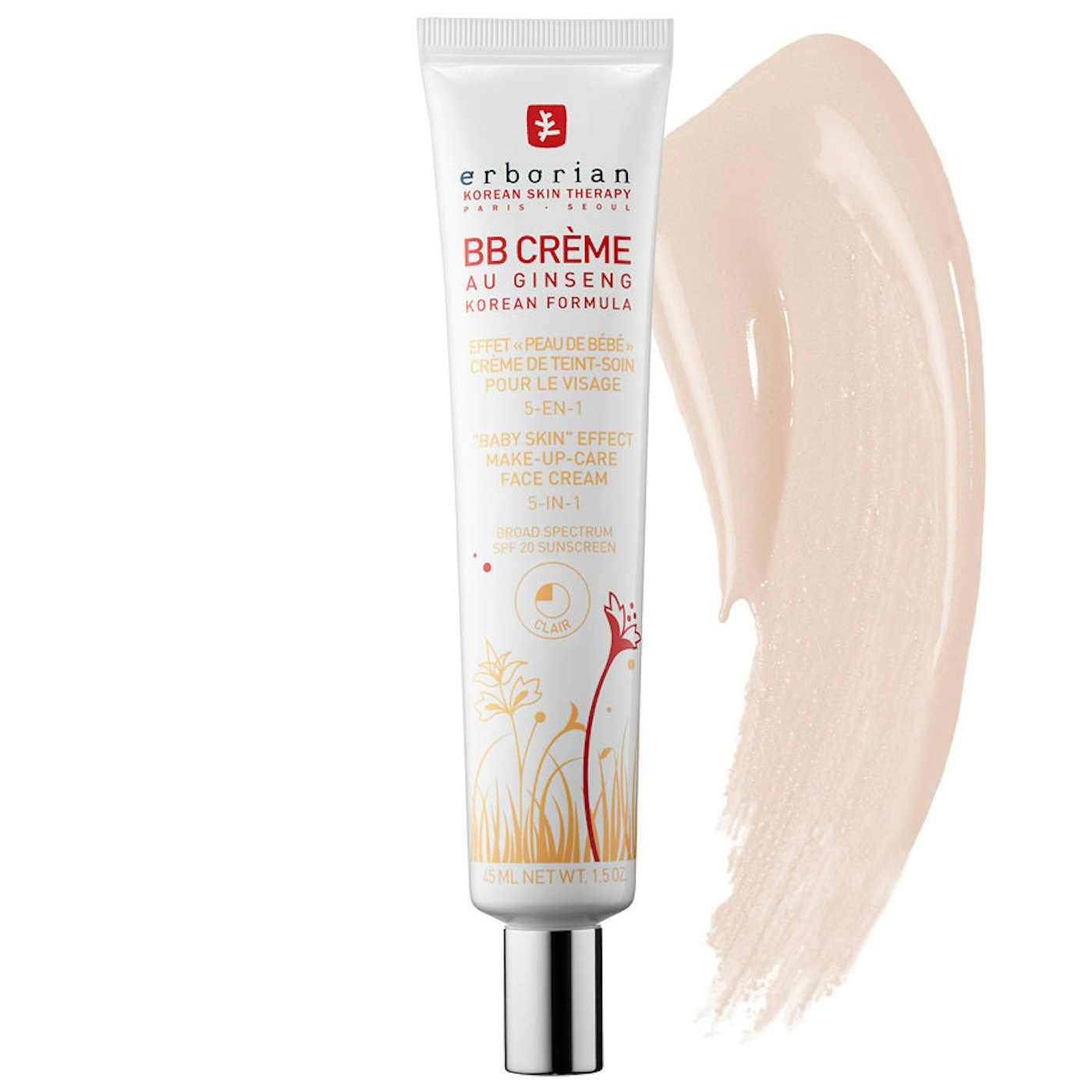
Read the Label: What Erborian's BB Crème Au Ginseng SPF 20 Actually Promises
Erborian's BB cream lists SPF 20 and ginseng on the front; the ingredient panel shows one claim is regulator-tested and the other is present but far below research-strength doses.
-
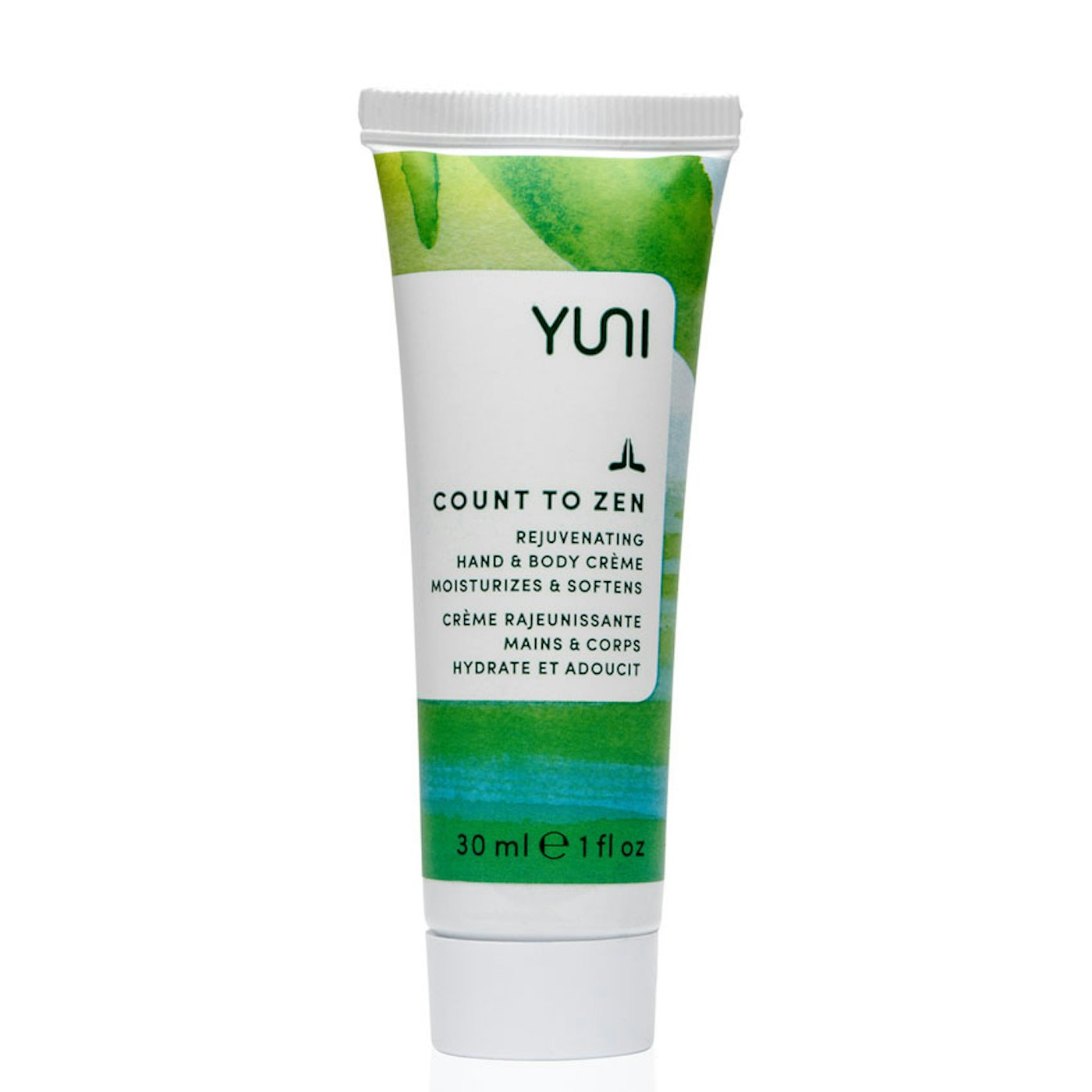
A Formulator Reads YUNI's "Count to Zen" Label Line by Line
Cosmetics & Toiletries' Marc de Mul dissects YUNI Beauty's Count to Zen crème, and its "non-toxic" and "fair trade" claims sit closer to legal risk than most shoppers realize.
-
Four Passes Is Not a Sunscreen Stick Dose
An SPF label measures a controlled sunscreen film, while a pass measures an inconsistent gesture. The available application study found far less stick product reached skin than the mass used for SPF testing.
-
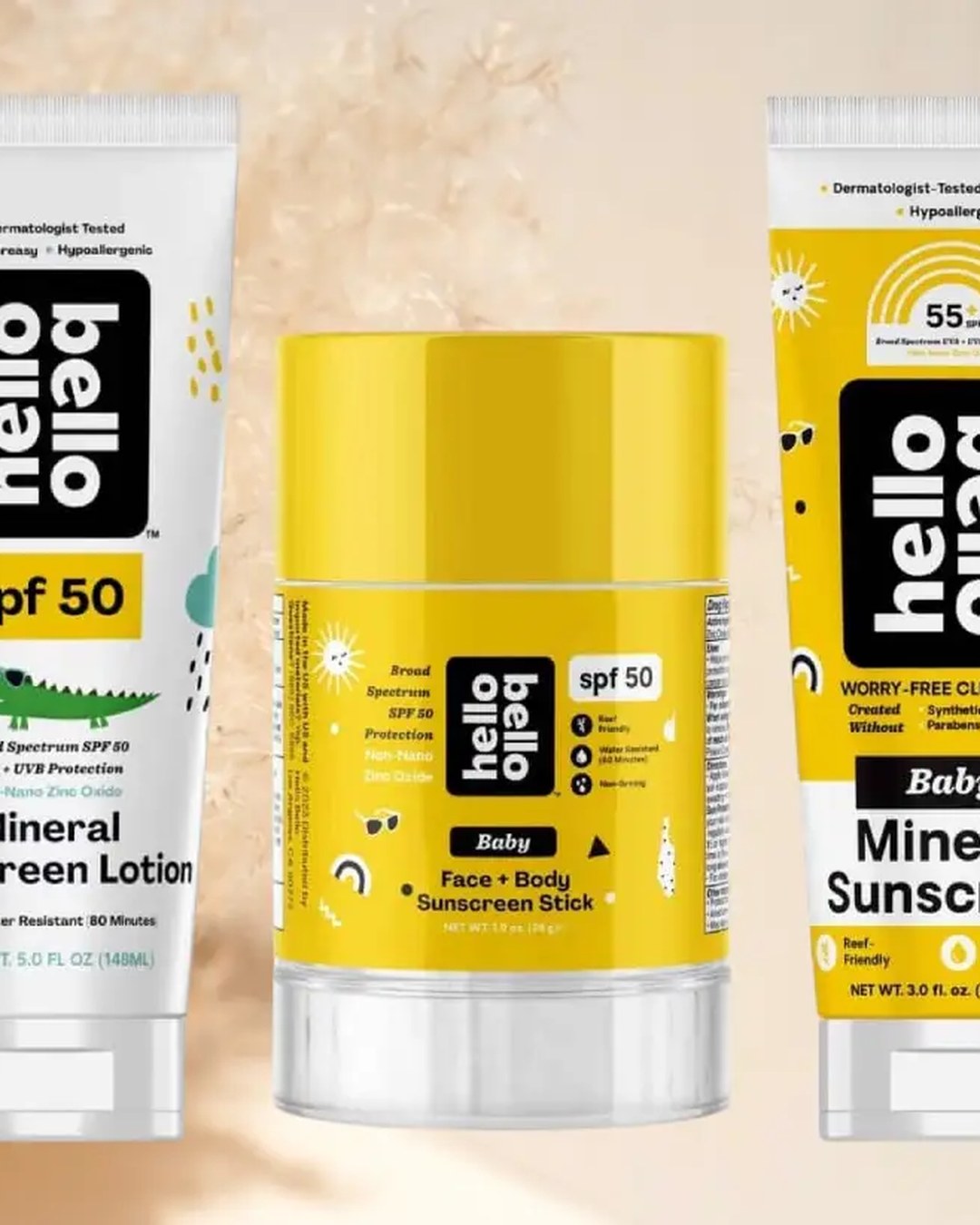
Hello Bello's Baby and Kids SPF 50 Labels Match
Hello Bello's current Baby and Kids Mineral Sunscreen Lotions SPF 50 list 23% zinc oxide and the same inactive ingredients. The age words distinguish their presentation, not the formulas disclosed on their labels.
-
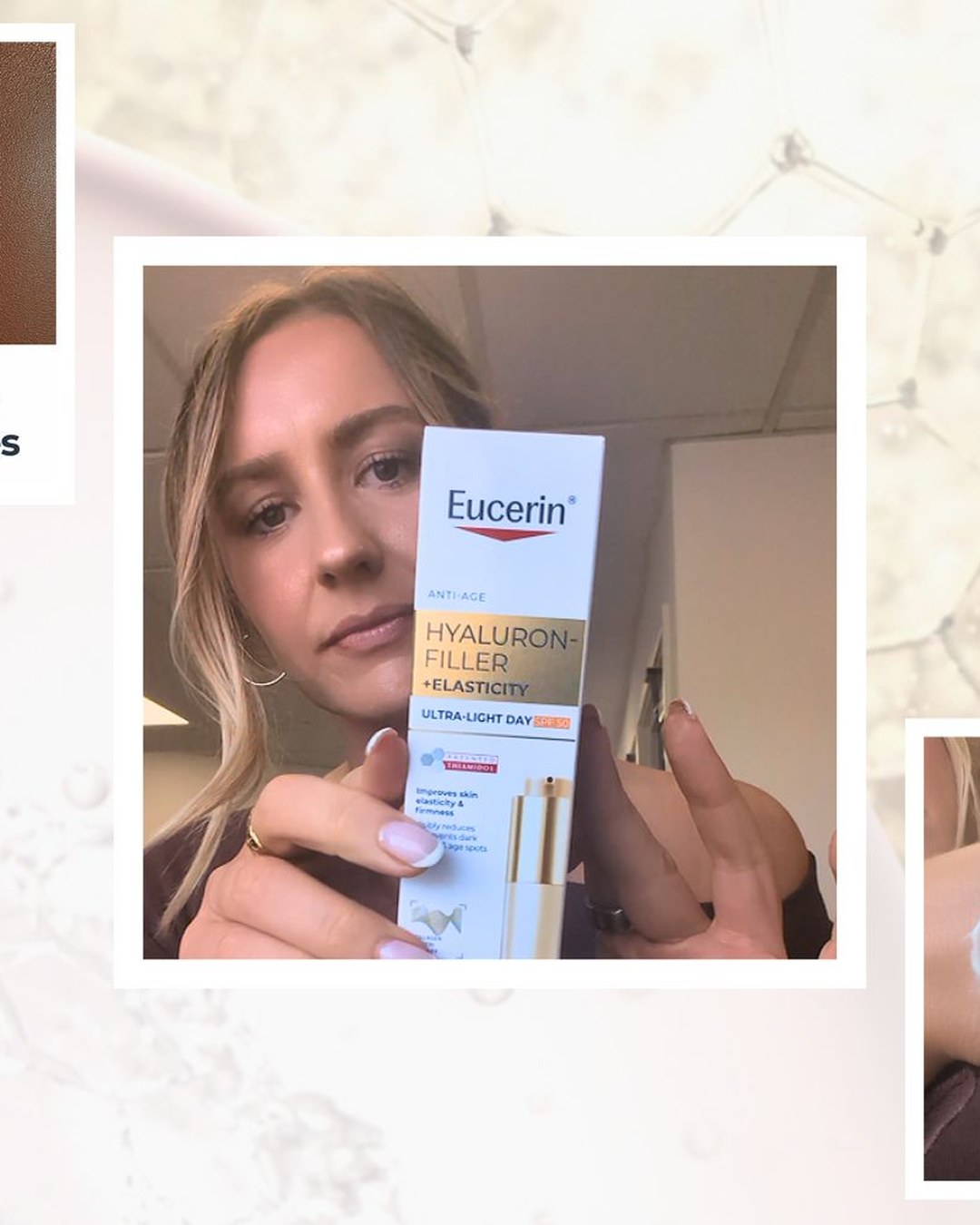
Eucerin's 98% Claims Do Not Measure the Same Thing
Eucerin's results panel combines consumer impressions, self-assessment, clinical grading and an elasticity score as if they were comparable findings. It supports a useful signal about texture, but not a single controlled, product-level anti-ageing effect.
-
Kojic Acid Just Hit a Ceiling in Europe. The Others Haven't.
The EU capped kojic acid and alpha arbutin in 2024 over safety concerns, azelaic acid is unrestricted in Europe but split between prescription and cosmetic strength in the US, and tranexamic acid has no concentration limit anywhere because no regulator has formally reviewed its topical use. The four ingredients most often marketed together for pigmentation carry four unequal levels of regulatory scrutiny.
-
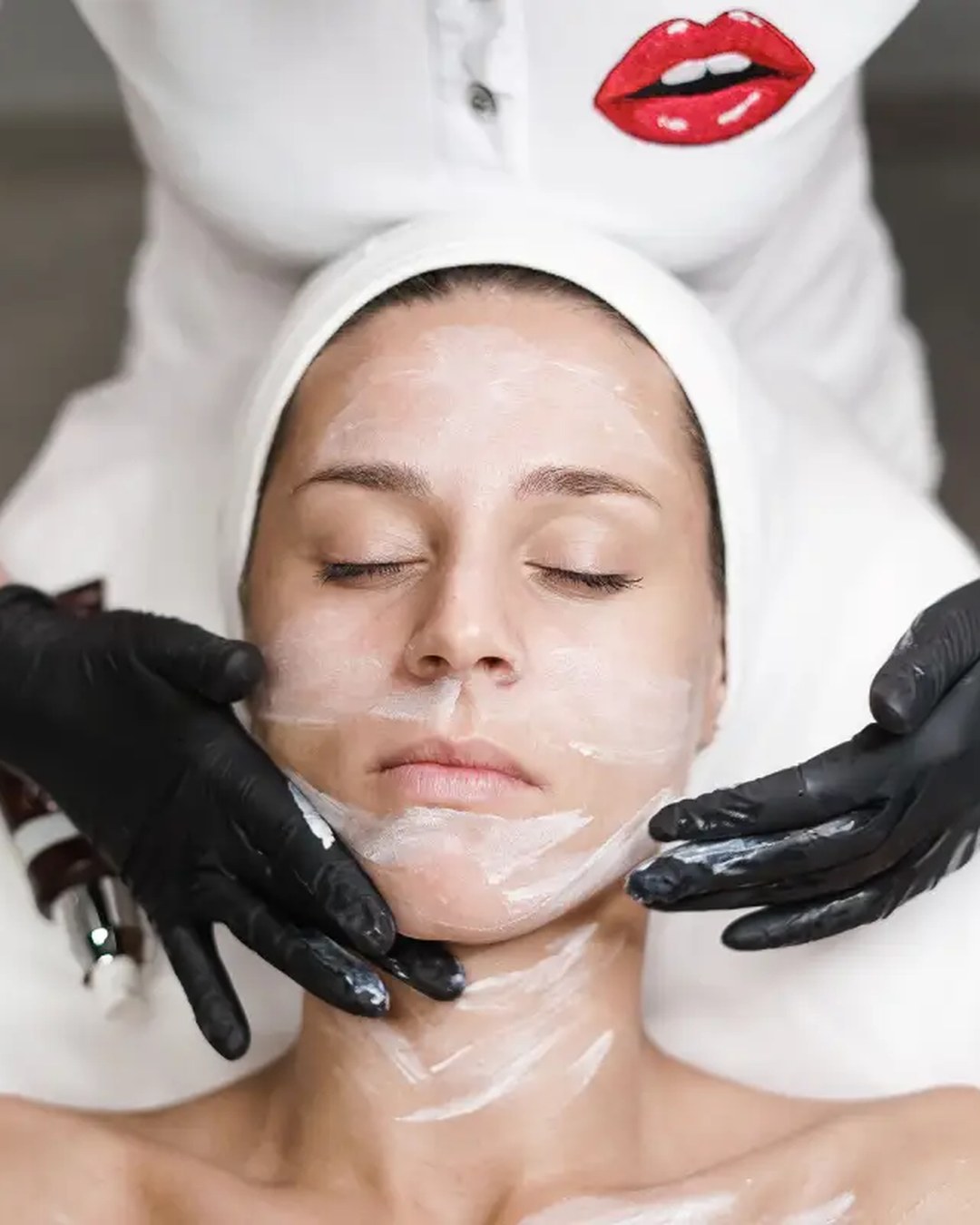
Microdermabrasion Has a Legal Definition. Facial Doesn't.
Microdermabrasion sits inside an FDA device classification with an effect clinical studies measure in microns of skin removed, while facial has no such definition: what a provider can legally do inside one is set state by state, which is why the two were never comparable at the same level to begin with.