Fact Check
A Formulator Reads YUNI's "Count to Zen" Label Line by Line
Cosmetics & Toiletries' Marc de Mul dissects YUNI Beauty's Count to Zen crème, and its "non-toxic" and "fair trade" claims sit closer to legal risk than most shoppers realize.
Published
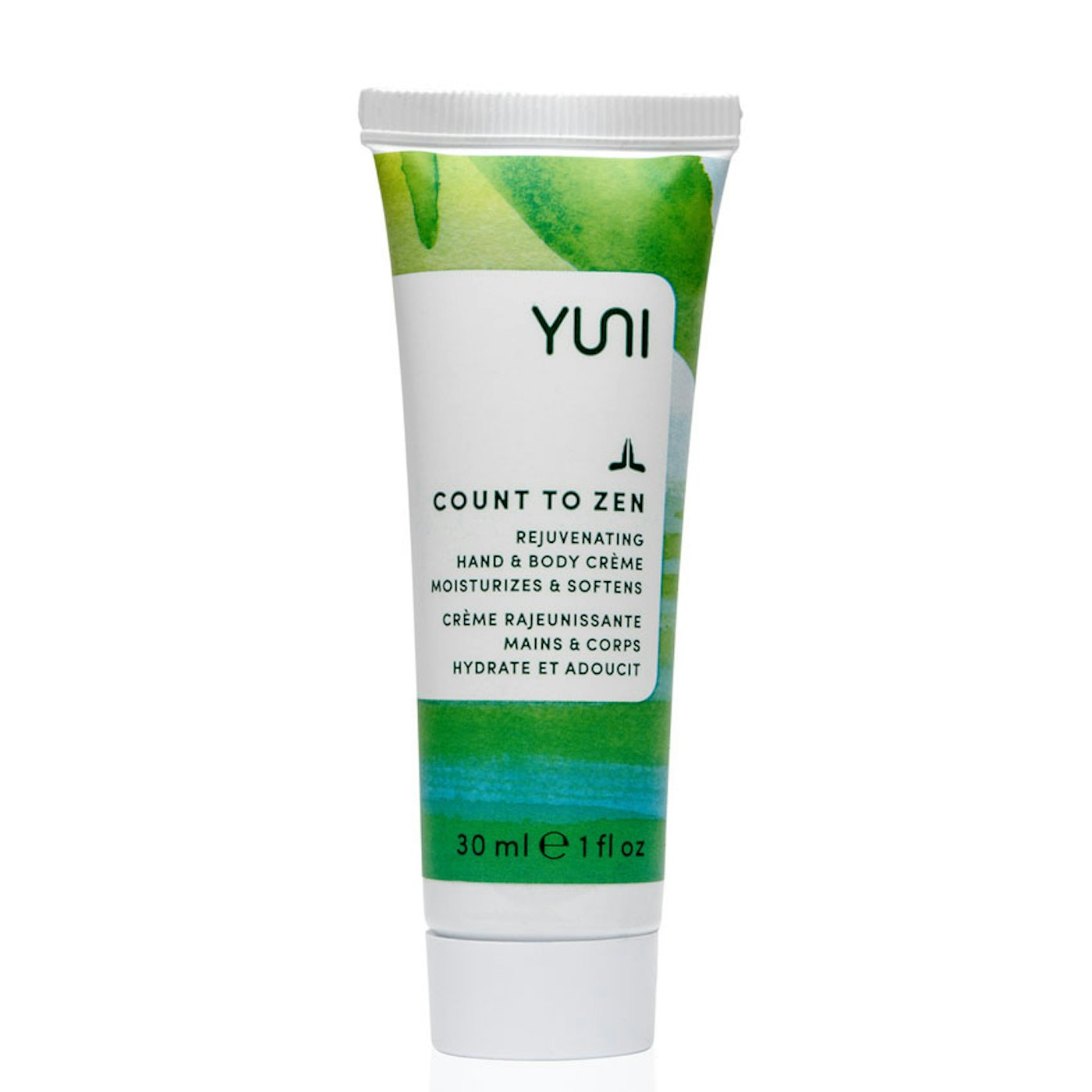
Cosmetics & Toiletries' recurring "Read the Label" column, written by formulation consultant Marc de Mul, Ph.D. of Measured Innovation, takes commercial products apart from their ingredient decks alone, inferring emulsifier systems and active-ingredient logic without access to the brand's actual formula or percentages. His latest subject is YUNI Beauty's Count to Zen Rejuvenating Hand & Body Crème, a product whose label leans on two headline actives: "Fair Trade" green tea extract, pitched as an antioxidant and blemish-fighter, and organic baobab oil, marketed for omega fatty acids and barrier support, rounded out with a chamomile-and-lavender blend meant to justify the "Zen" name.
YUNI itself is built around that kind of wellness narrative. The brand was founded in 2015 by Emmanuel Rey and Suzanne Dawson, two beauty-industry veterans who left corporate jobs in 2012 to travel and train as certified Ashtanga yoga instructors; Rey previously worked at L'Oréal and served as SVP/GM of Aveda North America. The founders' story of trading corporate beauty for yoga mats is the throughline behind the brand's mindfulness-and-travel positioning, and it's worth reading the crème's ingredient list against that backdrop.
The label's broader claims sheet is also where things get riskier. YUNI markets the crème as non-toxic, cruelty-free, plant-based, vegan and free of parabens, mineral oil, SLS/SLES and synthetic dyes or fragrance, among other exclusions. Unqualified "non-toxic" claims are exactly the kind of language the FTC's Green Guides treat as deceptive absent solid scientific backing, and the agency tightened those Green Guides again in 2025. Courts are already testing that line: a 2026 settlement approved against Rust-Oleum and Krud Kutter, worth $1.5 million, centered on "non-toxic" and "Earth Friendly" labeling, and a separate clean-beauty class action has since targeted Ulta's Conscious Beauty program.
The essential-oil "aromatic blend" that carries the Zen branding sits ahead of its own regulatory reckoning, too. Under the Modernization of Cosmetics Regulation Act, the FDA missed its December 29, 2025 statutory deadline to issue fragrance-allergen disclosure rules; a proposed rule is now expected around May 2026, and it would eventually require roughly 60 additional fragrance allergens to be named on-pack, up from the 26 currently disclosed under EU rules, phased in through 2028. A label that currently lists "fragrance" or essential-oil names without allergen-level detail is a preview of what regulators are about to ask brands to spell out.
Even the "fair trade" claim attached to the green tea extract carries less legal weight than "USDA Organic" does. Baobab and green tea sourcing runs through a patchwork of certifiers, including Ecocert Fair Trade, Fairtrade International, Fair for Life and COSMOS, and cooperative-based suppliers in West Africa are common in the category. None of that certification chain is disclosed in the retail copy running on Ulta, Amazon, Cult Beauty or iHerb, which means the word "fair trade" on this jar is doing more branding work than legal work.