Formulating Aftershave: Why the System Beats the Star Ingredient
Aftershave brands are quietly rebuilding the whole formula system, not just swapping in alcohol-free claims, as an EU labeling deadline and barrier-repair actives force carrier, humectant, and preservative choices to work together.
- Author
-
 Formulation desk
 - Format
- Analysis
- Desk
- Formulation
- Published
- Updated
- Length
- 4 min read
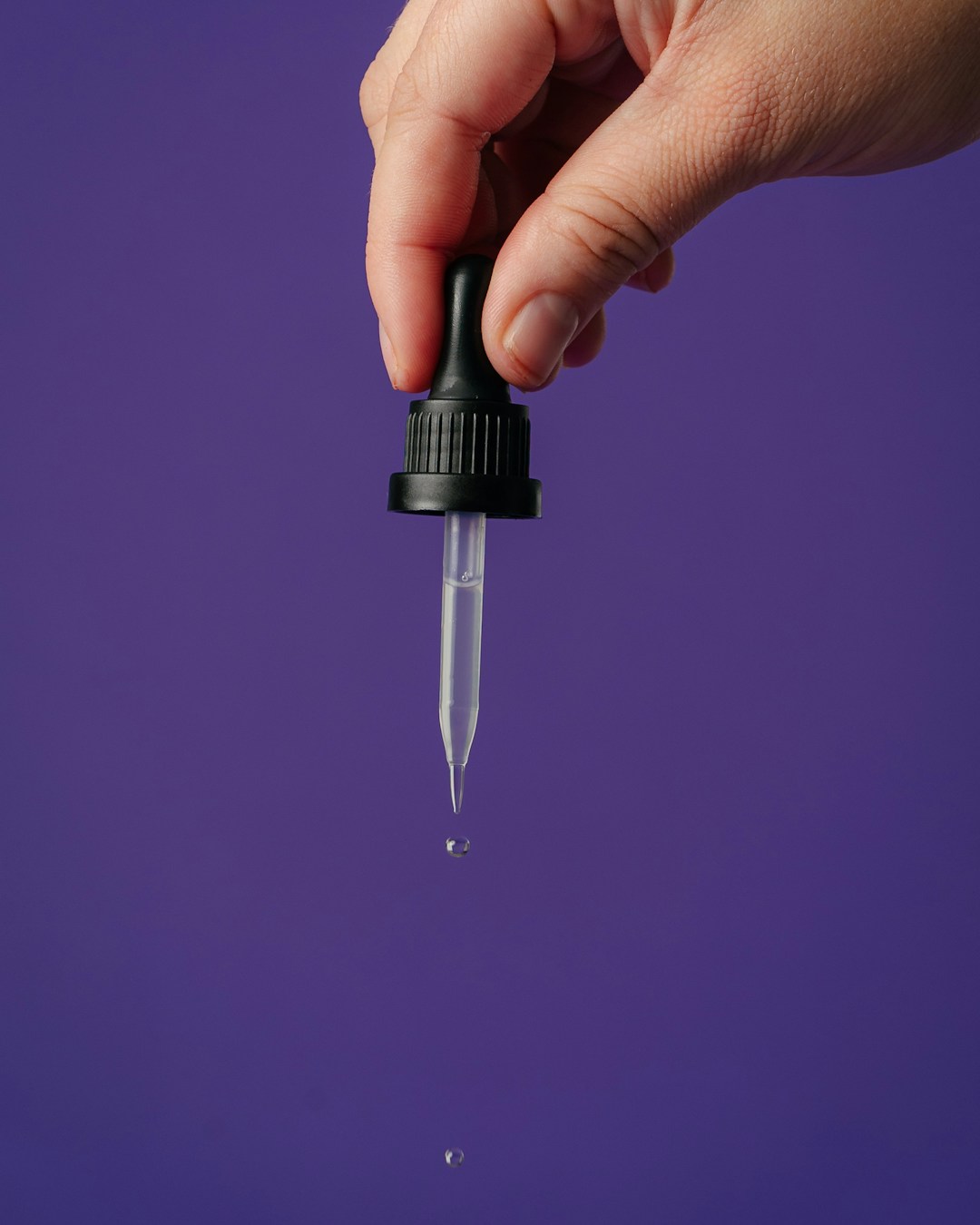
Aftershave has always read as a one-note product: alcohol splash, brief sting, done. But the formulas actually being reworked right now show something closer to a small system in miniature, where a base carrier, a humectant load, a barrier-supporting active, and a preservative package all have to agree with each other before the fragrance on the label means anything.
The old base was simple to the point of crude: denatured ethanol or isopropyl alcohol cut with witch hazel, which itself carries a native 14% alcohol content from the distillation process used to make Hamamelis virginiana extract. That combination is antiseptic and astringent, which is exactly why generations of aftershaves stung on contact with freshly shaved, barrier-compromised skin. The reformulation trend now underway isn't cosmetic tweaking; it's a base-level swap. Brands are dropping added alcohol from witch hazel extracts, replacing high-proof carriers with lighter oils, and rebuilding the humectant system around glycerin, propylene glycol, and panthenol to carry fragrance and deliver moisture without the same barrier disruption.
That shift only works if the rest of the formula is rebuilt to match. A humectant-heavy, low-alcohol base changes water activity and pH in ways that affect preservative efficacy, so a formula that swaps out alcohol's inherent antimicrobial contribution has to compensate elsewhere in the preservative system rather than assuming the old numbers still hold. It's the kind of interdependency that gets lost when a product is marketed around a single ingredient claim, like "alcohol-free" or "aloe-infused," because the claim describes one component while the stability and skin-feel of the product depend on how that component was balanced against everything else in the batch.
The active layer has moved with the base. Aloe barbadensis leaf juice and vitamin E have been aftershave staples for years, but ceramides, beta-glucan, and urea are migrating in from skincare, and Google Trends data shows searches for "skin barrier" up roughly 200% year over year. That migration reframes what an aftershave is supposed to do. A splash formulated around povidone-iodine or procaine hydrochloride, as older patent literature for razor-bump treatment shows, is built to disinfect and numb. A formula built around ceramides and panthenol is built to keep the stratum corneum intact after the razor has already thinned it. Those are different jobs, and swapping actives without rethinking the surrounding emulsifier and humectant system tends to produce a product that soothes on the label but still strips on the skin.
There's a compliance deadline forcing some of this reformulation whether brands want it or not. Under EU Regulation (EU) 2023/1545, the list of fragrance allergens that must be individually labeled expands from 26 substances to 82, with a compliance deadline of July 31, 2026. Stock made before that date can still be sold, but only until July 31, 2028, after which it has to be off shelves entirely. For a category like aftershave, where fragrance is often the loudest part of the sensory profile and the base has traditionally been alcohol-heavy enough to mask minor formulation compromises, that expanded list forces chemists to look harder at exactly which aroma compounds are carried in the base and at what concentration, since a fragrance oil that cleared the old 26-allergen threshold may not clear the new one.
The skin-science case for rethinking the whole system, not just the fragrance, is straightforward. Razor burn is friction combined with barrier disruption that exposes nerve endings, and folliculitis follows when bacteria get into follicles that shaving has already compromised. Pseudofolliculitis barbae, the ingrown-hair condition commonly known as razor bumps, has been documented at prevalence rates above 80% in some studies of Black men, and it intersects with workplace grooming policies that require medical waivers for facial hair. That's a population for whom an aftershave's job isn't cosmetic astringency; it's managing an already-inflamed, already-compromised barrier, which argues for formulations built around anti-inflammatory and barrier-supportive actives rather than the antiseptic-sting model the category was built on.
None of this shows up if a formula is judged by its headline ingredient alone. A bottle can list aloe, panthenol, and vitamin E and still perform poorly if the base carrier undermines them, either by being too astringent for the actives to counteract or by creating a preservative gap that the manufacturer papers over with a higher alcohol percentage than the marketing implies. The formulas earning attention now, from indie shaving brands to newer mainstream entries like Dwayne Johnson's Papatui line that launched at Target in 2025 spanning skin, hair, and body care, are the ones treating aftershave as a small emulsion system: carrier, humectant, active, and preservative tuned together, rather than a delivery vehicle for a scent.
That systems view also explains why the category's alcohol-free pivot has been slower than the marketing suggests. Alcohol did real formulation work beyond stinging: it solubilized fragrance oils that don't dissolve well in water or light emollients, and it contributed meaningfully to preservation. Pull it out and a chemist has to solve solubility and preservation as two separate problems instead of getting both from one ingredient, which is part of why so many "alcohol-free" aftershaves still lean on propylene glycol or other cosolvents to do the job alcohol used to do quietly. The ingredient disappeared from the label; the function it performed didn't disappear from the formula, it just moved.