Analysis
For Acne Antioxidants, the Formula Is the Active Strategy
Antioxidants can support acne-prone skin when the formula preserves them, delivers them gently and proves relevant outcomes. Ingredient lists alone cannot establish acne efficacy.
Published
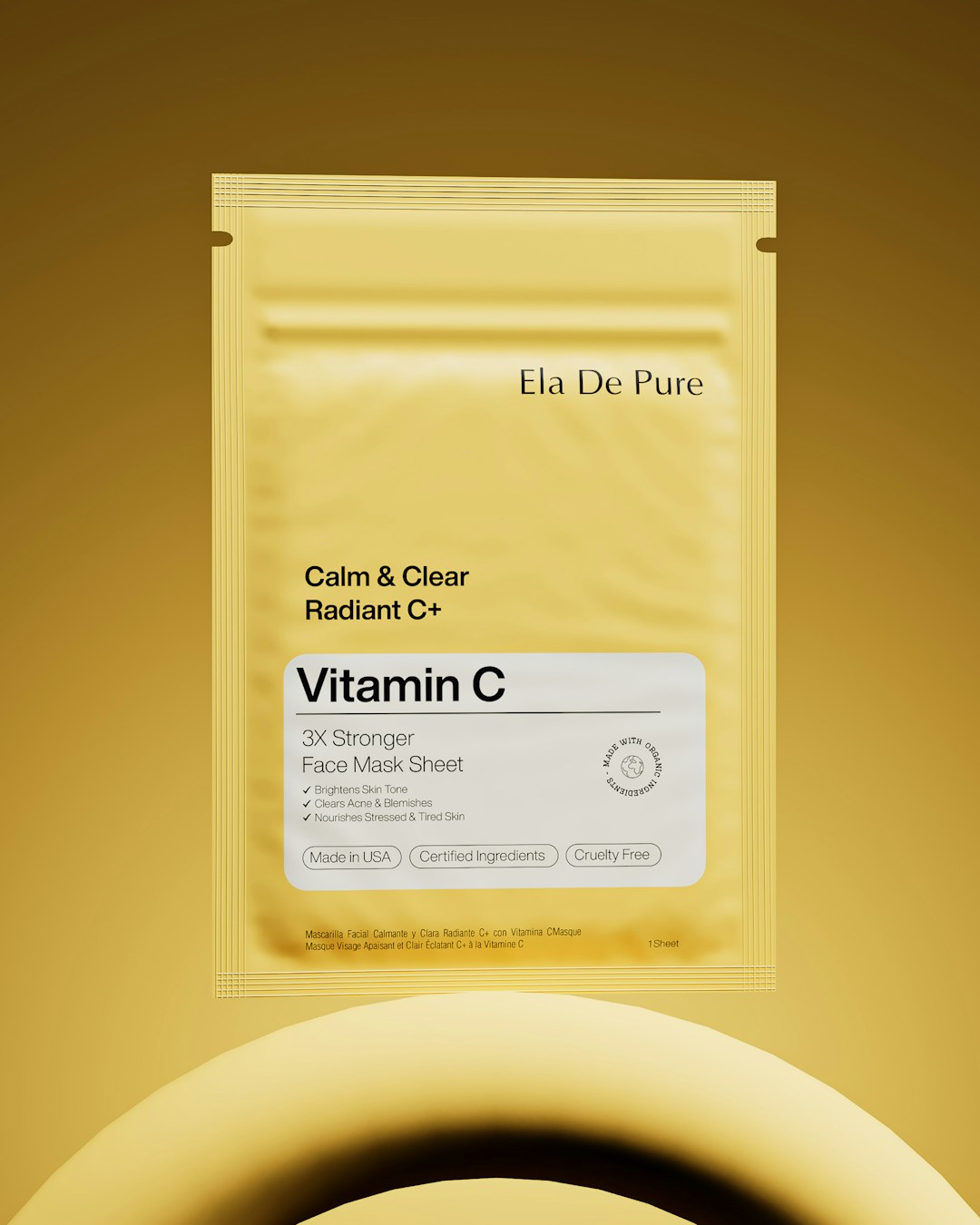
Oxidative stress has a credible place in acne biology, including the oxidation of sebum components such as squalene, yet it does not turn every antioxidant into an acne treatment. The formulation question beneath Cosmetics & Toiletries’ October 2025 discussion of antioxidant strategies is more demanding: can a finished product keep an active stable, place it in a tolerable vehicle and demonstrate an outcome that matters to people with acne? Radical-scavenging data for a raw material answer only the first part of that chain.
Clinical evidence points to a narrow set of useful leads, with large gaps between ingredients. A 2010 double-blind, vehicle-controlled study of 50 participants found that 5% sodium L-ascorbyl-2-phosphate lotion improved lesion counts and investigator assessments over 12 weeks, compared with its vehicle. An earlier randomized study reported greater inflammatory-lesion reduction from 5% sodium ascorbyl phosphate plus 0.2% retinol than from either ingredient alone. Those studies support further work on this vitamin C derivative, whose phosphate form addresses some of the instability associated with free L-ascorbic acid. They do not establish an antioxidant category claim.
Niacinamide, green tea and resveratrol show why ingredient-level enthusiasm needs careful endpoint selection. A small randomized trial found 4% nicotinamide comparable with 1% clindamycin over eight weeks, while other clindamycin studies found no extra benefit from niacinamide. A 2020 meta-analysis in the Journal of Dermatological Treatment pooled five green-tea trials and called for better studies. A 20-person split-face resveratrol gel pilot is promising, though its scale and single-blind design limit certainty. Lesion counts, inflammatory lesions, pigment marks, redness and scars need separate measurement. A product that improves post-inflammatory hyperpigmentation has not thereby shown treatment of active acne or established scars.
The vehicle determines whether these findings can survive contact with a commercial formula. Free ascorbic acid is vulnerable to oxygen, light, metals and heat, while vitamin E and many plant phenolics introduce oil-phase solubility and oxidation issues. A water-based serum may need a chelator, carefully selected pH, oxygen control and protective packaging. An emulsion adds another set of decisions: the emulsifier system, oil phase and rheology modifier must maintain physical stability without leaving an unpleasant film on oily skin. Humectants can offset dryness, and a preservation system has to remain effective at the selected pH. Each choice can affect active availability, sensory acceptance and irritation.
That matters especially when antioxidants sit alongside established acne drugs. The American Academy of Dermatology guideline recommends therapies including benzoyl peroxide, topical retinoids, salicylic acid, azelaic acid and clascoterone. Antioxidant dermocosmetics have a clearer role as tolerability support, maintenance care or adjunctive skin-care products. A 2024 randomized study of a dermocosmetic regimen alongside adapalene and benzoyl peroxide examined reduced treatment-related sensitivity, a practical outcome that can determine whether a patient continues a regimen. Formulators should test finished products against the vehicle and measure discontinuation as well as efficacy.
Claims set a further boundary in the United States. FDA states that a cosmetic claiming to “treat acne” enters drug territory, while vitamin C derivatives, niacinamide, zinc and botanical extracts are absent from the OTC topical-acne monograph’s active-ingredient list. That places unusual weight on precise cosmetic language and substantiation. The formulation file should show more than an antioxidant assay: stability through expiry, compatibility with the package, microbial protection, and evidence that the delivered formula performs on the stated outcome. FDA’s March 2025 testing of 95 benzoyl-peroxide acne products, which found six with elevated benzene levels, offers a concrete reminder that storage and degradation testing belong in the acne conversation from the first pilot batch.