Review
What a peptide and gluconolactone serum study can actually show
Two small clinical studies found wrinkle and texture gains from a serum with two peptides and gluconolactone. The blend cannot identify which ingredient produced them.
- Author
-
 Ingredients desk
 - Format
- Review
- Desk
- Ingredients
- Published
- Length
- 2 min read
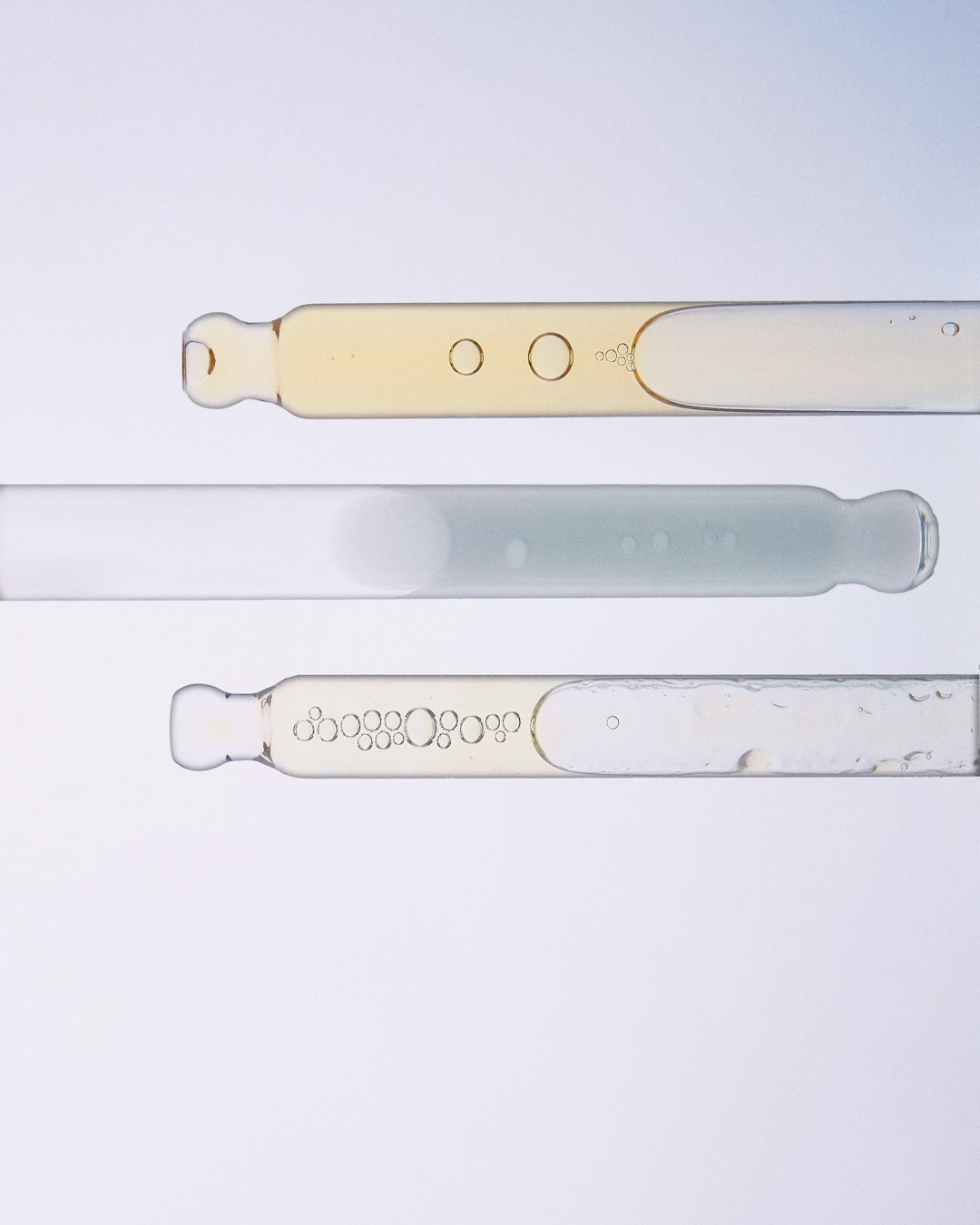
A serum combining acetyl hexapeptide-8, dipeptide diaminobutyroyl benzylamide diacetate and gluconolactone improved clinician-scored wrinkles and several texture measures in two studies. The result applies to the finished serum, which also contained niacinamide and laminaria extract, not to any ingredient in isolation. In Zhu et al.’s paper, published in the International Journal of Cosmetic Science, the authors describe the product as a five-active blend tested in ex vivo skin and in separate studies of static and dynamic wrinkles.
The ingredient selection follows a familiar leave-on skincare strategy. Acetyl hexapeptide-8 and dipeptide diaminobutyroyl benzylamide diacetate are peptides commonly used for the appearance of expression lines, while gluconolactone is a polyhydroxy acid that can support surface smoothing and water binding. Niacinamide may contribute to the product’s broader skin-quality positioning. Those functions depend on dose, pH, vehicle, stability, contact time and routine use. The abstract supplies no concentrations, so it offers no basis for deciding whether the observed effect required a particular peptide level or gluconolactone strength.
In the ex vivo portion, the researchers exposed skin samples to the complete serum, called Formula 1, and to an active-ingredient combination, Formula 2. They measured matrix metalloproteinase-1, elastic fibres, and collagen types I, III, IV and XVII. Formula 1 significantly increased several of these ageing-related biomarkers, according to the paper. Such measures can help show that a formula is biologically active in sampled skin, yet they do not establish that a change in collagen staining will produce a visible wrinkle result for an individual consumer.
The clinical findings are more directly relevant to use, with limits. In a 50-person study, the authors reported visible improvement in static wrinkles within one week and mean clinical-score improvements ranging from 35% to 69% across wrinkle types after 12 weeks. They also reported gains in smoothness, radiance, pore appearance, elasticity and firmness. The abstract does not specify concentrations or describe a vehicle control, placebo, randomization or blinding, details that would clarify how much of the result belongs to the active blend versus the serum base and study context.
A second study enrolled 42 people to assess dynamic wrinkles, the lines seen during facial movement. The reported clinical-score change was 10% to 13%, leaving a more modest, concrete result for the expression-line claim than the larger static-wrinkle percentages.