Cetyl Alcohol, Cetearyl Alcohol, Stearic Acid, or Butter Pearls: It Depends on the Rest of the Formula
A reader's Question Box query to Humblebee & Me reveals that cetyl alcohol, cetearyl alcohol, stearic acid, and butter pearls each do different structural jobs once they meet the rest of a formula.
- Author
-
 Formulation desk
- Format
- Explainer
- Desk
- Formulation
- Published
- Length
- 2 min read
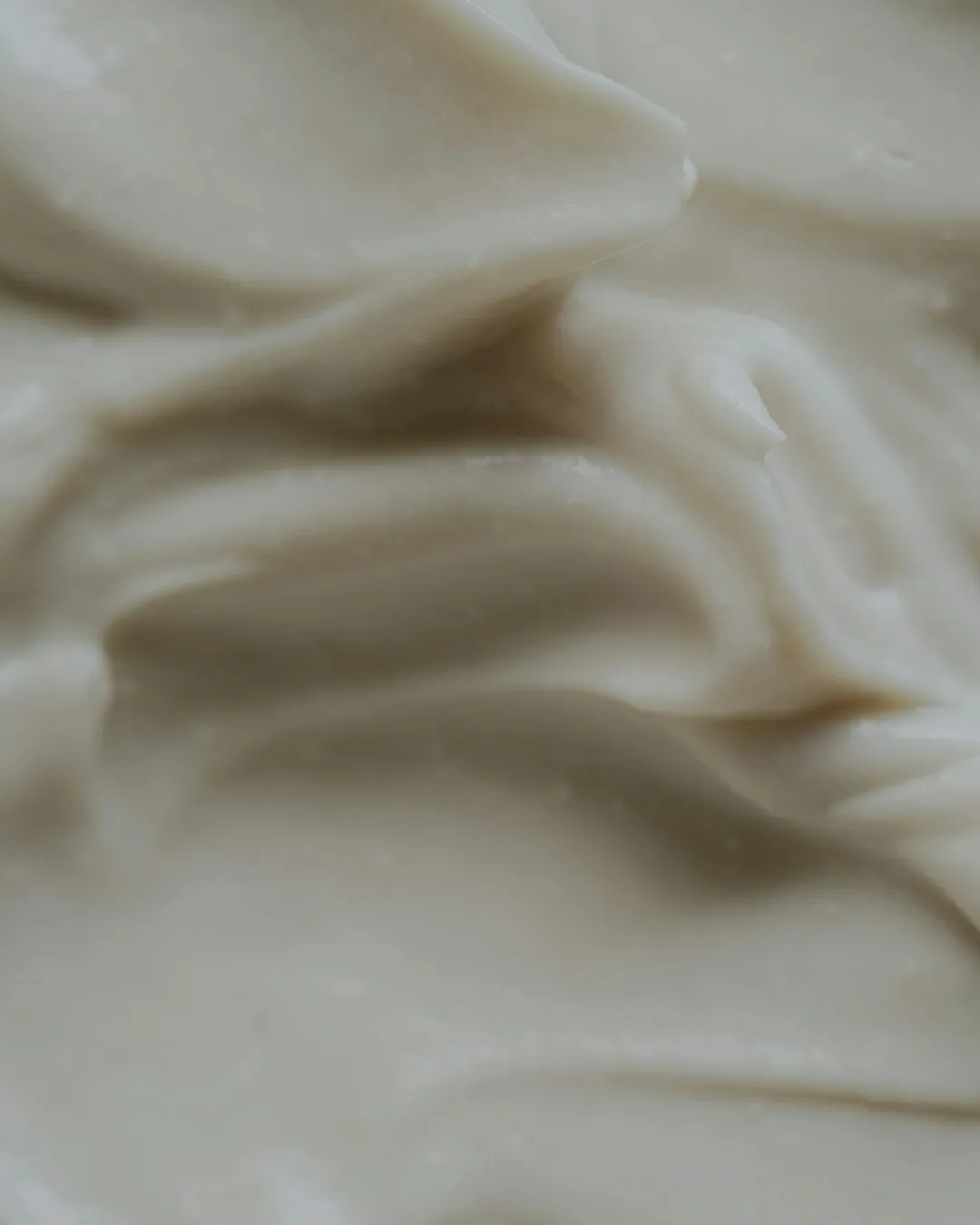
Denise's question landed in Humblebee & Me's Question Box sounding simple: cetyl alcohol, cetearyl alcohol, stearic acid, butter pearls. Four jars of white solids that all look interchangeable on a shelf. The answer Marie gives, in her latest Patreon post for the site, is that the choice is never about the fatty thickener in isolation. It is about what the rest of the formula needs that solid to do once it is melted into the oil phase and cooled back down against water, surfactant, and whatever active is riding along.
Cetyl alcohol and cetearyl alcohol are close cousins, both saturated fatty alcohols, and the difference between them is mostly chain length. Cetyl alcohol is a single fatty alcohol (C16), while cetearyl alcohol is a blend of cetyl and stearyl alcohol (C16 and C18). That blend gives cetearyl alcohol a slightly broader melting range and, in practice, a firmer set in a finished lotion or cream. Reach for straight cetyl alcohol when a formula wants a lighter, silkier glide with less tack, and reach for cetearyl alcohol when the same base needs more body and a sturdier structure, particularly in anything meant to sit in a jar rather than a bottle.
Stearic acid changes the conversation because it is not a fatty alcohol at all. It is a fatty acid, and fatty acids interact with alkaline ingredients, which means stearic acid can partially saponify with something like borax or triethanolamine to form a soap-based co-emulsifier inside the lotion itself. That reaction is exactly why old-school cold creams and some natural emulsified lotions lean on stearic acid: it is not just a thickener sitting inertly in the oil phase, it is doing double duty as part of the emulsification system. Swap it in for cetyl alcohol in a formula that was not built around that chemistry and the texture, and sometimes the stability, will shift in ways that are hard to predict without testing.
Butter pearls (hydrogenated vegetable oils pressed into small bead or flake form) behave more like a texture modifier borrowed from the oil phase than a classic co-emulsifier. Because they are hydrogenated, their melting point sits higher than many natural butters, so they bring a drier, less greasy finish while still contributing the kind of richness a formula might otherwise get from shea or cocoa butter. Marie's framing is that butter pearls are worth testing when a lotion needs a cushiony, almost whipped feel on application rather than the firmer, more structured set that cetearyl alcohol or stearic acid tends to produce.
What ties all four together, in Marie's answer, is that none of them can be evaluated outside the formula they are going into. The same 5% of cetyl alcohol that gives a silky finish in a light lotion can make a rich cream feel waxy if the emulsifier pairing is wrong, and stearic acid's soap-forming behavior only matters if there is an alkaline ingredient present to react with. Denise's question, read that way, is really about reading the whole ingredient list before swapping one solid fat for another, and testing a small batch before committing a full one.
References
| Ingredient | What it does | Source | Conditions | Last updated |
|---|---|---|---|---|
| Stearic acid | Stearic acid is a fatty acid that can partially saponify with an alkaline ingredient like borax or triethanolamine to form a soap-based co-emulsifier inside the lotion | How Do You Know If You Should Use Cetyl Alcohol, Cetearyl Alcohol, Stearic Acid, or Something Else? | presence of an alkaline ingredient such as borax or triethanolamine | |
| Butter pearls | Butter pearls are hydrogenated vegetable oils pressed into bead or flake form, with a higher melting point than many natural butters, giving a drier, less greasy finish while contributing richness | How Do You Know If You Should Use Cetyl Alcohol, Cetearyl Alcohol, Stearic Acid, or Something Else? | — | |
| Cetyl alcohol | 5% cetyl alcohol gives a silky finish in a light lotion but can make a rich cream feel waxy if the emulsifier pairing is wrong | How Do You Know If You Should Use Cetyl Alcohol, Cetearyl Alcohol, Stearic Acid, or Something Else? | 5% usage rate |