Why Two Surfactants Foam Better Than One: Inside a Sophorolipid Co-Surfactant Study
A new surfactant-pairing study explains why sophorolipid biosurfactants foam poorly alone, and how a 2:1 ratio with sodium lauroyl methyl isethionate fixes it by matching fast and slow surface chemistry.
- Author
-
 Formulation desk
- Format
- Analysis
- Desk
- Formulation
- Published
- Length
- 2 min read
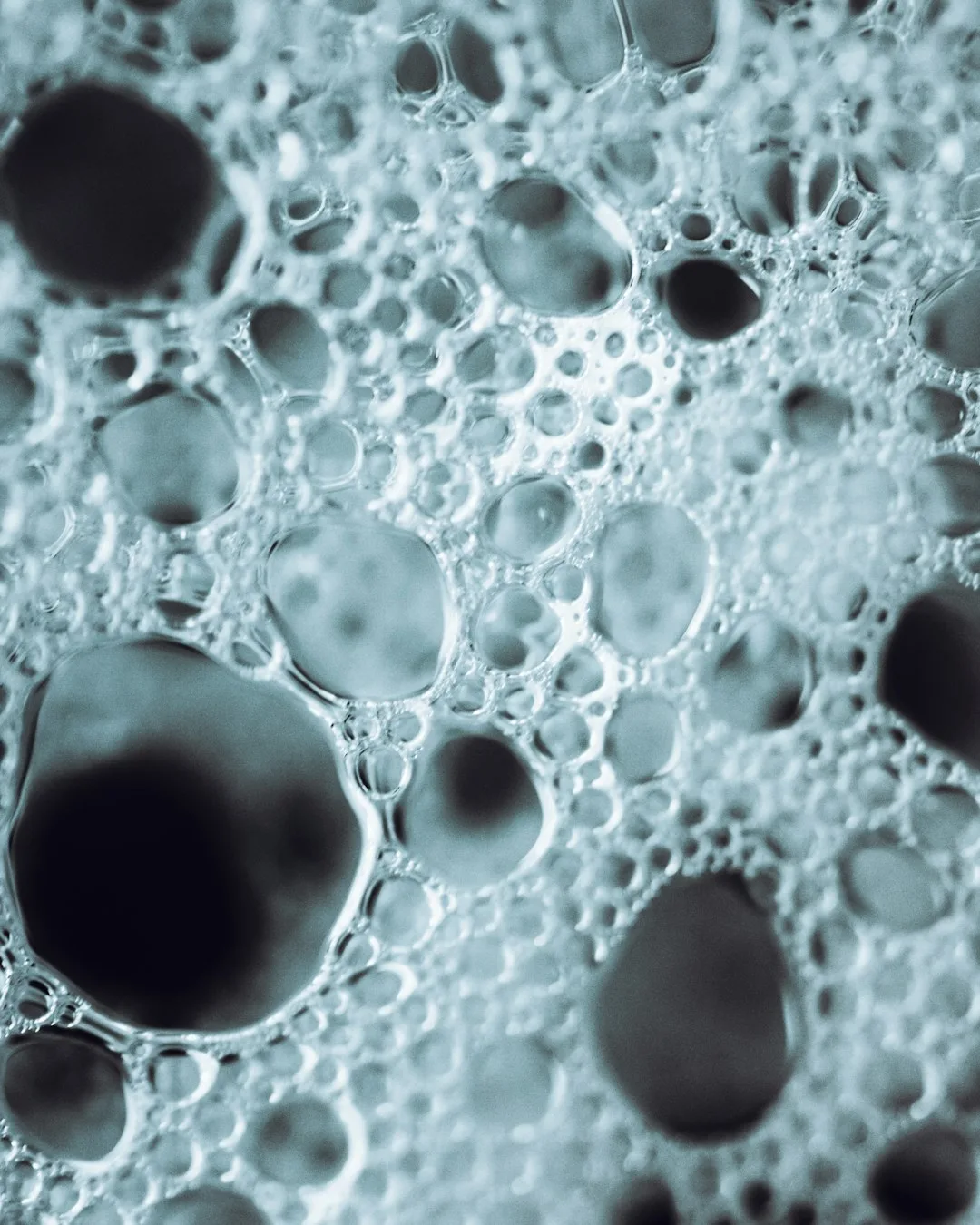
A foam that collapses in thirty seconds reads as cheap, even if the cleanser underneath it works perfectly. A new study in the International Journal of Cosmetic Science traces that sensory gap to a mismatch in timing between two surfactants that, paired correctly, cover for each other's weaknesses at the air-water interface.
The researchers, led by Casey Posner and colleagues including Samiul Amin, worked with lactonic sophorolipids, a biosurfactant made by fermenting sugars and fatty acids with yeast and prized in sustainable formulation for replacing petrochemical surfactants. On their own, sophorolipids foam poorly. The team paired them with sodium lauroyl methyl isethionate, an anionic surfactant already common in bar soaps and syndet bars for its mild, low-irritation profile.
Using pendant drop tensiometry, the team measured how fast each surfactant travels to a fresh air-liquid interface and how much it lowers surface tension once it arrives. Sophorolipids move quickly. The paper calls them kinetically surface active. Sodium lauroyl methyl isethionate moves more slowly but drives surface tension lower once it gets there, which the authors describe as the thermodynamically active behavior.
That timing difference is the mechanism, not a footnote. Foam forms in the instant a liquid film is whipped into air, so whichever surfactant reaches the interface first sets the initial film while the slower-arriving molecule keeps restructuring it afterward. A system that puts one of each at the interface in sequence builds a film with the speed of one surfactant and the strength of the other.
The team tested ratios of the two surfactants and found a 2:1 weight ratio of sodium lauroyl methyl isethionate to sophorolipids produced a surface tension of 31 mN/m, the lowest value in the study. Shake tests at that ratio generated about 80 mL of foam, close to the volume produced by the isethionate surfactant alone, but with a structural difference the raw material can't provide.
Oscillatory surface rheology showed the sophorolipid fraction raises surface elasticity, meaning the film at the bubble wall resists deformation and snaps back instead of thinning out and popping. The authors describe the resulting film as firm yet flexible, a combination that stabilizes bubbles both as they form and as they sit in a lather over time.
For formulators, the finding reframes what a 'foam booster' is supposed to do in a cleanser base. Adding a second surfactant isn't about stacking more cleaning power. It's about filling the gap one molecule leaves at the interface before the film has time to fail, and the 2:1 ratio here is the point where speed, strength and elasticity line up rather than compete.
The authors frame the payoff for sophorolipid-based systems in cost and sustainability terms: a biosurfactant that foams poorly alone can hit commercial foam volumes once paired with the right co-surfactant at the right ratio, without reformulating around a less sustainable primary surfactant. The paper's own summary states the goal is systems consumers want from a sustainability standpoint without sacrificing sensory characteristics and high cost, a line that reads less like praise and more like a specification for the next bar soap or syndet formula to test against.
References
| Ingredient | What it does | Source | Conditions | Last updated |
|---|---|---|---|---|
| Lactonic sophorolipids | foam poorly on their own but are kinetically surface active, moving quickly to the air-water interface | Skin care applications of surfactant-based systems (International Journal of Cosmetic Science) | — | |
| Sodium lauroyl methyl isethionate | moves more slowly to the interface but drives surface tension lower once it arrives (thermodynamically active behavior) | Skin care applications of surfactant-based systems (International Journal of Cosmetic Science) | — | |
| Sophorolipid fraction | raises surface elasticity, meaning the film at the bubble wall resists deformation and snaps back instead of thinning out and popping | Skin care applications of surfactant-based systems (International Journal of Cosmetic Science) | — |