A Mangosteen Extract Calmed Inflamed Mouse Skin. The Tumor-Promotion Headline Measured Something Else
A mouse study found 10 percent Garcinia mangostana peel extract reversed TPA-induced skin inflammation and oxidative stress as well as hydrocortisone did, but the paper's tumor-promotion framing outruns what it actually measured.
- Author
-
 Ingredients desk
- Format
- Review
- Desk
- Ingredients
- Published
- Length
- 3 min read
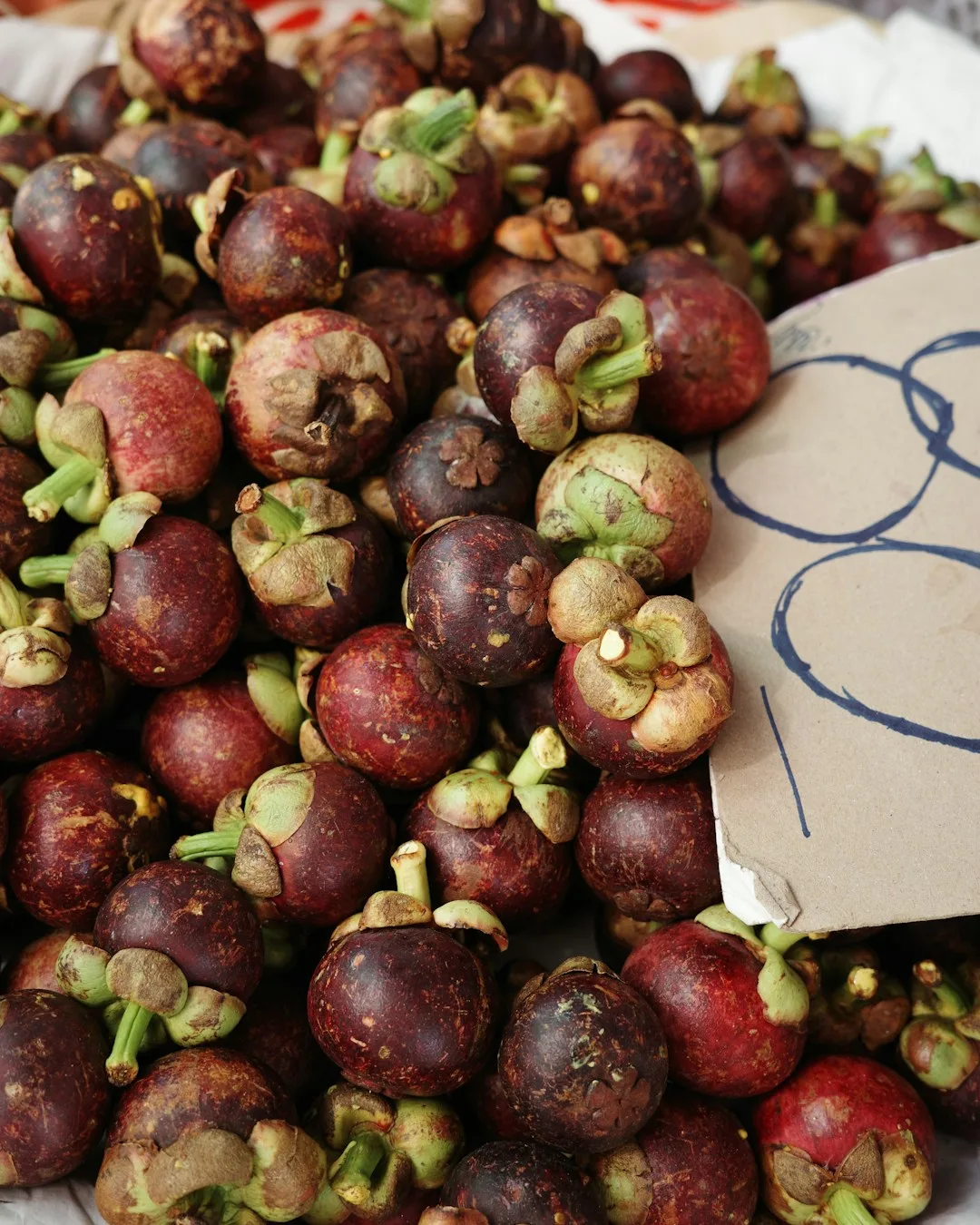
Mice treated with a 10 percent topical extract of Garcinia mangostana peel showed less skin swelling and lower markers of inflammation after researchers at Hasanuddin University in Indonesia exposed their skin to a chemical irritant. The study, published in Clinical, Cosmetic and Investigational Dermatology, used TPA, a compound long used in labs to trigger skin inflammation and, in longer protocols, tumor growth. The title frames the work as carrying "preclinical implications for tumor promotion-related inflammatory mechanisms." The data underneath that title measure something narrower: inflammation and oxidative stress after a single irritant exposure, nothing about tumors forming or not forming.
The numbers are specific. TPA application pushed TNF-alpha levels in mouse skin from 22 to 77 pg/mL and malondialdehyde, a marker of oxidative damage to cell membranes, from 0.48 to 0.92 nmol/mL. Epidermal thickness increased roughly fivefold. Across the concentrations tested, 10 percent Garcinia mangostana pericarp extract brought both markers back toward the levels seen in untreated, healthy mice, performing comparably to topical hydrocortisone in the same experiment. Lower concentrations produced smaller effects, which is the kind of dose relationship ingredient researchers look for before calling a reduction real rather than noise.
The tumor framing in the title rests on TPA's history, not on anything measured in this experiment. Isaac Berenblum first used croton oil to study two-stage skin carcinogenesis in mice in the 1940s, and researcher Hecker later isolated TPA from croton oil in the 1960s as the standard tumor-promoting agent for that model. TPA promotes tumors by activating an enzyme called protein kinase C, which then sets off a signaling cascade through NF-kB and related pathways. The Hasanuddin team did not measure protein kinase C, NF-kB, or any other step in that cascade. They measured inflammation and oxidative stress after one application. A connection to tumor promotion is implied by the choice of TPA as the irritant, not demonstrated by the markers the team actually recorded.
A 2017 study in Biomedicine and Pharmacotherapy did run the longer experiment. Researchers applied purified alpha-mangostin, one of the xanthone compounds found in mangosteen peel, in a full DMBA/TPA two-stage carcinogenesis protocol and tracked actual tumor formation in mice over time. That study found the compound suppressed tumor growth through the PI3K/Akt/mTOR pathway, linked to autophagy and cell death in the treated tissue. The new CCID paper doesn't test the same endpoint and doesn't cite that 2017 work as a comparison. It tests a different extract, a different exposure length, and a different set of outcomes, so the two studies sit near each other in subject matter without overlapping in what they actually show.
The ingredient itself complicates any claim about which compound is doing the work. A 2019 study in the same Indonesian research line compared whole Garcinia mangostana pericarp extract against purified alpha-mangostin in mice with MRSA-infected skin wounds. The whole extract fully healed the wounds by day ten. Alpha-mangostin alone did not. A January 2026 paper in Antioxidants mapping the pericarp's chemistry found that several other xanthones in the peel, including gamma-mangostin, garcinone D, morusignin J, and fuscaxanthone C, showed stronger anti-inflammatory activity in macrophage assays than alpha-mangostin did on its own. "Garcinia mangostana extract" names a mixture whose active fraction keeps shifting as labs isolate new compounds from it, and whole-extract formulations have outperformed the supposedly active ingredient in at least one direct comparison.
The Hasanuddin group's broader research line points toward a different near-term application than cancer prevention. The same lab has published a mouse study on topical mangosteen extract protecting skin against UVB-induced erythema in JCAD, and has two human trials now registered on ClinicalTrials.gov, NCT07849842 and NCT07849829, testing mangosteen gel at concentrations between 2.5 and 20 percent against sunburn-like redness from narrowband UVB exposure. One of those trials already lists a completed 2022 study period. The other has enrolled 31 healthy adults. Mouse data on acute inflammation are moving toward human trials on sun protection and redness, a cosmetic dermatology application that doesn't require resolving whether the pericarp extract affects tumor promotion at all.
TPA's own history adds a caveat that rarely makes it into extract studies that borrow the model. A 1982 paper in Nature documented that TPA's tumor-promoting activity is highly species-specific: potent in mouse skin, inactive in rat, rabbit, guinea pig, and hamster skin. The mouse TPA model that gave this study its inflammation numbers is also the model that, by itself, tells researchers the least about how any of this translates past the strain of mouse sitting on the lab bench.
References
| Ingredient | What it does | Source | Conditions | Last updated |
|---|---|---|---|---|
| Gamma-mangostin, garcinone D, morusignin J, and fuscaxanthone C | Showed stronger anti-inflammatory activity in macrophage assays than alpha-mangostin did on its own | January 2026 Antioxidants paper mapping pericarp chemistry | macrophage assays | |
| Topical mangosteen extract | Protected mouse skin against UVB-induced erythema | JCAD mouse study on mangosteen pericarp extract and UVB-induced erythema | — |