Analysis
Patent Picks: Lavender Cotton, Honeysuckle and Sunflower Aren't All Preservatives
A new patent roundup groups lavender cotton, lemongrass, cinnamon, honeysuckle and sunflower as cosmetic preservatives, but one is an antioxidant and another has been sold as a preservative blend for over a decade.
Published
A new batch of patent filings rounded up this month by Cosmetics & Toiletries pitches lavender cotton oil, lemongrass oil, cinnamon extract, honeysuckle extract and sunflower polyphenols as ingredients for preserving cosmetic formulas without parabens or formaldehyde releasers. The filings deserve a closer look than a simple ingredient list allows, because two of the five materials are not preservatives in the microbiological sense, and the one with the longest track record is already sold as a finished preservative blend.
Start with what the word actually means in a formulation lab. A cosmetic preservative has to suppress bacterial and fungal growth across the life of a product, typically verified with a preservation challenge test. An antioxidant does something different: it slows the oxidative breakdown of oils and actives, protecting a formula's texture and color rather than keeping microbes out. Sunflower's polyphenols, as described in the patent filing, are doing the antioxidant job, inside a liquid cosmetic composition. Folding that function into a headline about preservatives blurs a distinction that determines how much of the ingredient a chemist would actually use, and why.
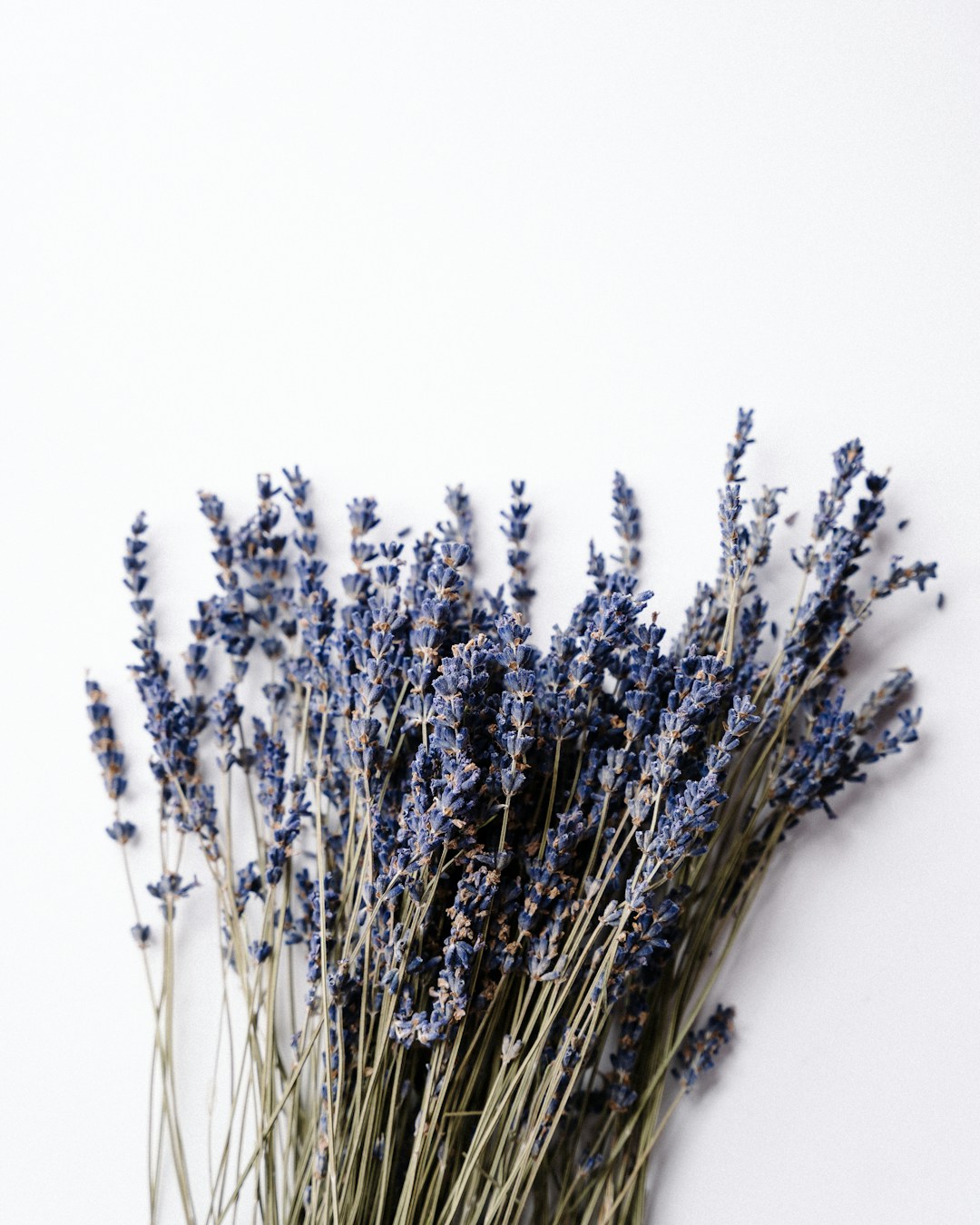
Lavender cotton is the odder case, because despite the name it has nothing to do with cotton fiber. It is Santolina chamaecyparissus, a silvery Mediterranean shrub in the daisy family, and the chemistry traces to a patent application, WO2015140290A1, which describes extracts of the plant for cosmetic and dermatological use and lists them as a preservative, bactericide, antioxidant and fungicide all at once. The extract's oil is dominated by monoterpenes, which make up roughly 81% of its composition, along with p-cymene and sabinene. That monoterpene load is what gives the extract its reported antimicrobial activity, and also why concentration matters so much in practice: push an essential-oil-derived preservative too high and the scent and color of the base product shift along with the microbial kill rate.
A separate filing pairs lemongrass oil with lavender cotton oil in an antimicrobial blend, and another combines cinnamaldehyde with sorbic acid, sometimes adding lemongrass oil, as a preservation system. Cinnamaldehyde is the molecule that gives cinnamon its characteristic smell, and it carries a complication that rarely makes it into ingredient marketing copy: it is regulated in the EU as a fragrance allergen requiring disclosure on the label above a set concentration threshold. A preservative system built to dodge paraben and formaldehyde-releaser scrutiny can end up triggering a different allergen warning instead, which is the kind of tradeoff that belongs in any honest account of these patents.
Honeysuckle extract is the ingredient where the framing as news falls apart fastest. Lonicera japonica and Lonicera caprifolium have been documented as natural preservatives for well over a decade; a US patent filing from 2011, US20110020302A1, titled simply Natural preservative blend, already claims broad-spectrum antimicrobial activity that holds up independent of the formula's pH. That chemistry is not confined to patent filings either. MakingCosmetics sells a Honeysuckle Blend built on the same idea, with a fact sheet recommending use levels between 0.5% and 1% for broad-spectrum, pH-independent protection. At that range, the difference between an underdosed and adequately dosed batch is the difference between a product that survives its shelf life and one that doesn't. Whatever the new filing adds, it is entering IP space that a commercial ingredient already occupies.
The regulatory backdrop explains why so many of these filings are surfacing now. The EU's Cosmetics Regulation tightens its Annex V preservative rules starting in 2026, and the labeling threshold for formaldehyde-releasing preservatives drops from 500 parts per million to 10 parts per million on July 31, 2026, a change that will force reformulation or new warning labels on products using DMDM Hydantoin, Imidazolidinyl Urea, Diazolidinyl Urea or Quaternium-15. Five parabens are already banned in the EU, with propyl and butyl paraben capped at a combined 0.19%. Plant-derived antimicrobial systems are one of the few paths formulators have left that avoid both restricted classes, which is exactly why patent offices are seeing a steady stream of essential-oil and botanical-extract filings pitched as preservative alternatives.
None of that makes a published patent application equivalent to an approved ingredient. A filing establishes intellectual property, not a safety opinion from a body such as the EU's Scientific Committee on Consumer Safety, and not proof that a brand has put the material into a shelf-stable product at a workable concentration. The honeysuckle blend already sold at 0.5% to 1% is the exception that shows what that last step looks like; the rest of this list is still paperwork, chemistry described on a page, waiting for someone to run the preservation challenge test that decides whether it works outside the lab.